Surprising Ways Gut Health Impacts Your Body
Sophia Clarke November 26, 2025
Curious how your digestive wellness affects more than just your stomach? Explore the fascinating mind-gut connection, immune support, and daily habits that influence overall health. Discover the science behind probiotics, inflammation, and nutrition in this engaging guide.
The Gut: Your Body’s Hidden Powerhouse
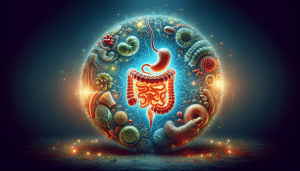
It’s easy to overlook how vital gut health is for the entire body. Most people think of digestion, but the gut’s influence goes much further. From nutrient absorption to hormone regulation, the digestive tract is a complex ecosystem. The lining of the intestines houses trillions of bacteria, also known as the gut microbiome. These bacteria can help process food, create vitamins, and even talk to your immune system. That’s why leading digestive health experts often refer to the gut as our body’s second brain.
Gut health is not just about avoiding stomach aches or bloating. Researchers have found strong links between gut microbiome diversity and energy levels, skin clarity, and even mental health markers. Many of these benefits are attributed to probiotics, those helpful bacteria found in fermented foods like yogurt and sauerkraut (Source: https://www.nccih.nih.gov/health/probiotics-what-you-need-to-know). Keeping the good bacteria thriving is key for digestive comfort and long-term vitality.
Several factors affect the balance of the gut flora. Antibiotic use, dietary choices, chronic stress, and even environmental exposures all play a role. Simple lifestyle tweaks, such as boosting fiber intake or consuming more foods with prebiotics, can help maintain a healthy gut lining. A well-supported gut sets the stage for overall immune support, better nutrient absorption, and energy stability.
Gut Health and the Immune System Connection
Did you know that roughly 70 percent of your body’s immune cells live in your gut? This connection means digestive health impacts how you fend off illness and inflammation. The lining of the gut serves as a barrier, protecting the bloodstream from harmful invaders. If this barrier is disrupted, inflammation and immune system overdrive can result (Source: https://www.gastrojournal.org/article/S0016-5085(18)34787-8/fulltext).
With emerging research on autoimmunity and gut flora, scientists are taking a closer look at how specific bacterial strains can boost or dampen immune response. For instance, Lactobacillus and Bifidobacterium species are commonly found in probiotic supplements and play supportive roles in immune pathways. Eating a wide variety of plant-based foods, which feed beneficial bacteria, can reinforce a sturdy gut-immune connection.
Alongside nutrition, daily activities such as moderate exercise and stress management also help mediate inflammation levels. Integrating movement, mindful breathing, and sufficient sleep into wellness routines ensures the gastrointestinal tract stays balanced. A resilient gut supports both rapid healing and protection against day-to-day pathogens, making immune support a team effort between lifestyle and biology.
The Mind-Gut Connection: More Than a Feeling
The idea that gut health affects mood and mental clarity is gaining ground. The gut and brain are linked by the vagus nerve, a fast communication superhighway that transports chemical messages back and forth. This relationship explains why stressful situations can lead to digestive upset or why stomach “butterflies” appear during anxious moments (Source: https://www.hopkinsmedicine.org/health/wellness-and-prevention/the-brain-gut-connection).
Gut bacteria help produce neurotransmitters like serotonin, sometimes called the happiness chemical. When the gut microbiome is balanced, people often report improved focus, less irritability, and a more stable mood. On the other hand, chronic gut dysbiosis—an imbalance in the microbes—may be linked to higher levels of stress or even symptoms associated with depression.
Techniques such as meditation, yoga, and stretching can positively influence both stress hormones and digestive comfort. Regular mindfulness routines are associated with a healthier mix of gut microbes. Scientists now recommend combining nutritional interventions with stress management for a truly comprehensive approach to wellness. This two-way street between the gut and mind is a testament to the body’s sophisticated harmony.
Inflammation, Nutrition, and Daily Habits
Low-level digestive inflammation can be a silent saboteur to good health. Many don’t realize that highly processed foods, excess sugar, or dietary imbalances may fuel irritation in the gut lining. Over time, this can disturb the microbiome, trigger food sensitivities, or increase discomfort. Choosing whole foods rich in antioxidants, fiber, and healthy fats is a crucial step in calming inflammation.
Eating habits matter, too. Eating slowly and mindfully helps the body break down food properly and absorb nutrients efficiently. Fermented foods, colorful vegetables, and lean proteins offer broad-spectrum benefits for gut wellness. Research indicates that those who regularly consume Mediterranean-style meals experience less inflammation and greater digestive comfort overall (Source: https://www.health.harvard.edu/staying-healthy/foods-that-fight-inflammation).
Water intake, movement, and consistent eating schedules are essential influencers of digestive ease. Even habits like regular handwashing can affect which microbes enter the digestive system. By focusing on simple daily adjustments, many find their symptoms improve as the gut lining repairs and overall wellness increases. Minor habit changes can have major impacts on gut performance and emotional well-being.
Probiotics, Prebiotics, and Gut-Friendly Foods
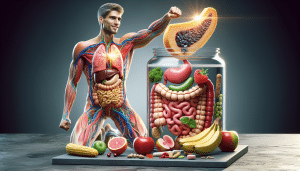
Probiotics grab a lot of attention in the world of digestive wellness, but prebiotics play an equally valuable role. Prebiotics are fibers that serve as food for good bacteria. Common sources include garlic, onions, bananas, and oats. When these fibers reach the large intestine, they promote bacterial diversity and support immune functions.
Supplements can be beneficial for some, but many experts recommend starting with food-based sources first (Source: https://www.hsph.harvard.edu/nutritionsource/probiotics-and-prebiotics/). Classic probiotic foods are yogurt, kefir, tempeh, miso, and pickles. Including both probiotics and prebiotics can set the stage for a healthy digestive tract and reduced inflammation.
Creating variety in the diet is a smart strategy. Each strain of gut bacteria thrives on different nutrients. Try mixing up grains, beans, fruit, and fermented products throughout the week. Not only does this maximize nutritional benefits, but it also helps the microbiome resist imbalances from medication or occasional indulgences. Enjoying a broad spectrum of whole foods helps to keep the digestive system adaptable and strong.
Recognizing Early Signs of Gut Imbalance
Subtle symptoms may reveal that your gut is struggling. Occasional bloating, irregular stools, or skin issues like unexplained rashes can point to a disrupted microbiome. While these signs don’t always mean gut disease, paying attention to these shifts can help address concerns before they escalate. Early action may prevent long-term issues and improve daily comfort (Source: https://www.cdc.gov/healthywater/hygiene/disease/digestive.html).
It’s also common for mood changes or fatigue to accompany digestive imbalance. Some research suggests that gut inflammation may play a role in immune overactivity or clouded thinking. Consulting with a healthcare provider is wise if new, persistent symptoms occur. Providers can guide lifestyle changes, personalized nutrition plans, or additional testing if necessary.
Prevention beats cure. Building awareness of your body’s reactions to foods, activities, and stress can support overall digestive resilience. Small, steady adjustments can foster a thriving gut—supporting total body wellness, better sleep, and positive energy for what matters most.
References
1. National Center for Complementary and Integrative Health. (n.d.). Probiotics: What You Need To Know. Retrieved from https://www.nccih.nih.gov/health/probiotics-what-you-need-to-know
2. Gastroenterology. (n.d.). Gut barrier function and immune homeostasis. Retrieved from https://www.gastrojournal.org/article/S0016-5085(18)34787-8/fulltext
3. Johns Hopkins Medicine. (n.d.). The Brain-Gut Connection. Retrieved from https://www.hopkinsmedicine.org/health/wellness-and-prevention/the-brain-gut-connection
4. Harvard Health Publishing. (n.d.). Foods that fight inflammation. Retrieved from https://www.health.harvard.edu/staying-healthy/foods-that-fight-inflammation
5. Harvard T.H. Chan School of Public Health. (n.d.). Probiotics and prebiotics. Retrieved from https://www.hsph.harvard.edu/nutritionsource/probiotics-and-prebiotics/
6. Centers for Disease Control and Prevention. (n.d.). Digestive Diseases. Retrieved from https://www.cdc.gov/healthywater/hygiene/disease/digestive.html

 Why Gut Health Might Influence More Than You Think