Why Gut Health Shapes Your Wellness Story
Sophia Clarke November 5, 2025
Curious about how gut health could influence everything from mood to energy? Explore key facts about the gut microbiome, probiotics, digestion habits, and how these can shift your approach to health. This guide unpacks daily steps and science-backed answers to common gut wellness questions.
The Connection Between Gut Health and Whole-Body Wellness
Gut health is gaining massive attention for good reason. The gut isn’t just about digestion—it’s central to immune function, energy, and even mood regulation. Scientists now know trillions of microbes live inside your digestive tract, collectively called the gut microbiome. These tiny organisms interact with your body daily. Some research suggests imbalances may play a role in fatigue, brain fog, and immune responses (https://www.nih.gov/news-events/nih-research-matters/gut-bacteria-immune-systems).
People often ask why gut wellness matters. The answer links back to communication between the gut and the brain, referred to as the gut-brain axis. Signals travel back and forth, influencing stress, focus, and sleep. Because the gut also produces neurotransmitters like serotonin, maintaining a balanced microbiome may offer mental benefits as well as physical ones. This connection emphasizes why gut care is becoming part of daily health routines for millions (https://www.health.harvard.edu/diseases-and-conditions/the-gut-brain-connection).
The impact of gut health extends to countless wellness factors, including skin appearance and nutrient absorption. Everyday choices—from what you eat to how you manage stress—can help or hinder the microbiome inside you. For those wanting to boost total well-being, understanding and supporting gut health emerges as a practical first step, according to emerging health research.
Understanding the Gut Microbiome
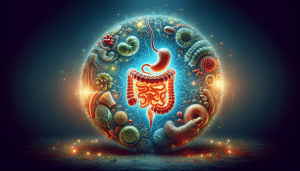
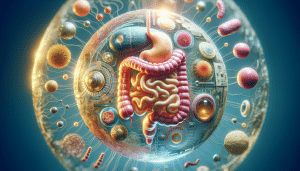
The gut microbiome is a bustling ecosystem filled with bacteria, fungi, viruses, and other microbes. People carry their own unique blend; no two microbiomes are exactly alike. These microbes break down complex foods and produce beneficial compounds, such as vitamins and short-chain fatty acids. Diversity within the microbiome is often linked to stronger defenses against certain illnesses and better digestion (https://www.niams.nih.gov/health-topics/skin-biome).
Researchers measure a healthy gut by how many different beneficial species are present. A more varied microbiome can adapt to different foods and support the immune system. Many environmental factors can shape the gut—diet, medication, age, even time spent outdoors. Fiber-rich foods like fruits, nuts, and whole grains help feed beneficial bacteria, encouraging diversity and resilience inside this inner world.
When the balance of the gut microbiome tilts toward harmful microbes, a state called dysbiosis, issues such as bloating or irregular digestion may occur. Dysbiosis is being studied for links to immune challenges, allergies, and even mental health shifts. Staying curious and informed about the state of your own microbiome is the first step toward meaningful change.
Probiotics, Prebiotics, and Everyday Choices
Probiotics are live beneficial bacteria found in certain foods and supplements, known to support gut flora. Fermented meals like yogurt, kefir, kimchi, and sauerkraut are classic sources. These help maintain a healthy bacterial balance. Prebiotics, on the other hand, serve as food for these bacteria—think garlic, onions, bananas, and oats. Including a range of both in daily meals often benefits digestion and general comfort (https://www.mayoclinic.org/drugs-supplements/probiotic-supplements-oral-route/description/drg-20070068).
Choosing probiotic-rich and prebiotic-rich foods doesn’t require radical diet changes. Swap soda for kombucha. Add more leafy green salads. Rotate your snacks with nuts or berries. Gradually introducing a wider supply of plant-based foods can nurture gut health, often in just a few weeks. While supplements are available, many wellness experts recommend starting with whole foods for long-term results.
Common questions center on timing and quantities. It’s possible to support gut flora health with a small serving of fermented vegetables several times a week. Consistency matters more than volume. But remember, not all probiotic strains offer the same benefits. Reading reputable science-backed labels and rotating food choices encourages a wider range of good bacteria to thrive.
Signs of an Unbalanced Gut and What To Notice
Wondering if your gut is signaling something? Subtle signs often tell the story. Bloating, constipation, frequent indigestion, or food intolerances may all be gentle alerts. Even shifts in mood, unexplained tiredness, or skin changes can point to an imbalanced microbiome. Many find these symptoms temporary, resolving with gentler choices and attention to diet (https://www.cdc.gov/nutrition/data-statistics/know-your-limit-for-added-sugars.html).
Those who notice abrupt changes after dietary shifts, illness, or antibiotic use sometimes report more persistent digestive issues. Noticing what sparks a reaction—dairy, gluten, high-fat foods—offers important clues. Responsive habits, such as eating slowly or focusing on hydration, bring a sense of control and can soothe symptoms while deeper healing occurs.
While not every discomfort has a single answer, tracking daily patterns is one way to identify which foods or habits nourish gut wellness. Simple changes tend to bring results over time. It’s always wise to ask a health provider before making major changes, especially for those with chronic health concerns.
Daily Habits That Support a Healthy Gut
Building a healthy gut is all about consistency. Aiming for a variety of vegetables, fruits, and whole grains each week steadily improves the diversity of the microbiome. Many people overlook hydration, even though water helps digestion run smoothly. Chewing food thoroughly and minimizing highly processed meals are two more daily tweaks that make a big difference over time (https://www.hsph.harvard.edu/nutritionsource/what-should-you-eat/plant-based-diet-plan/).
Sleep also impacts gut health. Restful nights let the gut repair and balance itself, while chronic stress or sleep deprivation can disrupt healthy bacteria. Movement throughout the day—whether walking, yoga, or dancing—stimulates digestion. Stress management practices, like meditation or breath work, complete the foundation for a well-balanced microbiome. These strategies are simple, but sticking to them multiplies their impact.
Moderation matters, too. Excess sugar, alcohol, and antibiotics can disturb gut bacteria, but occasional indulgences paired with a strong base of fiber-rich, nutritious meals keeps your gut resilient. Empowering yourself with small, sustainable choices is the key to nurturing long-term wellness from the inside out.
When To Seek Guidance and Reliable Gut Health Resources
Sometimes, changes in gut health may call for professional support. Anyone facing persistent digestive pain, unexplained weight loss, or unusual symptoms should learn more and consult a healthcare provider. Registered dietitians or gastroenterologists can recommend the best approaches for specific needs and may suggest diagnostic tests or targeted therapies (https://medlineplus.gov/gastrointestinaldisorders.html).
For those with general wellness goals, credible sources provide practical, up-to-date advice. Medical centers, university research, and government guidelines can help you discern which probiotic strains or diet tweaks have evidence behind them. It’s important to remember that gut health isn’t about perfection, but about flexibility and informed experimentation that fits your own lifestyle.
Finding facts in a crowded wellness market isn’t always easy. Looking for organizations or publications with a long-standing reputation, peer-reviewed research, and clear citations can help you cut through confusion. Continual learning ensures your approach to gut wellness grows alongside current science and best practices.
References
1. National Institutes of Health. (n.d.). Gut bacteria and immune systems. Retrieved from https://www.nih.gov/news-events/nih-research-matters/gut-bacteria-immune-systems
2. Harvard Medical School. (n.d.). The gut-brain connection. Retrieved from https://www.health.harvard.edu/diseases-and-conditions/the-gut-brain-connection
3. National Institute of Arthritis and Musculoskeletal and Skin Diseases. (n.d.). Skin biome. Retrieved from https://www.niams.nih.gov/health-topics/skin-biome
4. Mayo Clinic. (n.d.). Probiotic supplements review. Retrieved from https://www.mayoclinic.org/drugs-supplements/probiotic-supplements-oral-route/description/drg-20070068
5. Centers for Disease Control and Prevention. (n.d.). Know your limit for added sugars. Retrieved from https://www.cdc.gov/nutrition/data-statistics/know-your-limit-for-added-sugars.html
6. Harvard T.H. Chan School of Public Health. (n.d.). Plant-based diet plan. Retrieved from https://www.hsph.harvard.edu/nutritionsource/what-should-you-eat/plant-based-diet-plan/

 Media Literacy Secrets You Might Be Missing