Unlock the Secrets to Low Maintenance Yards
Daniel Hughes November 4, 2025
Discover how creating a low maintenance yard can transform your outdoor space into an enjoyable, hassle-free retreat. This guide unpacks the essentials for easy landscaping, drought-tolerant gardens, and practical tips to reduce your workload while boosting curb appeal.
Why Low Maintenance Yards Are Gaining Popularity
There’s a growing fascination with low maintenance yards that look polished but require much less effort than traditional gardens. Homeowners find themselves balancing busy schedules with a desire for pleasant outdoor spaces. That’s where smart landscaping comes in. Streamlining the tasks required outdoors, like reducing mowing and weeding, allows for weekends spent relaxing instead of working. A low maintenance yard not only saves time, but it can bring peace of mind. People appreciate having a beautiful environment without stress over constant upkeep.
Rising interest in sustainable landscaping is changing how many approach their outdoor projects. Instead of relying on thirsty lawns, more are choosing drought-tolerant plants and ground covers. These options reduce the need for frequent watering, which is especially important in regions facing water scarcity or high utility costs. Native plants are particularly valued because they thrive with less intervention. By adapting the yard to local climate realities, homeowners are helping protect water resources and preserving regional biodiversity.
The cost implications of yard maintenance shouldn’t be overlooked. Traditional lawns and ornate flower beds can be expensive, requiring regular fertilizers, treatments, and professional care. Switching to a low maintenance design often results in lower ongoing costs. Fewer needs for products and less money spent hiring help frees up resources for other priorities. These savings are appealing, and they become even more significant over the long term. Families focused on budget-friendly living are embracing easy landscaping solutions as part of a smarter home strategy.
Key Principles for Building a Low Maintenance Yard
Choosing the right foundation is crucial. Mulching is one of the best first steps—using organic mulch around trees, shrubs, and perennials suppresses weeds and reduces evaporation. Well-mulched beds rarely need weeding, which cuts down manual labor dramatically. Using gravel or decomposed granite for paths can be stylish and simple to manage. Landscaping fabric placed beneath these materials also creates a barrier against pesky plants and makes cleanup easy.
Plant selection drives success. Drought-tolerant and native species are top choices for a low maintenance yard. These resilient plants handle local conditions without much fuss. They typically fend off pests better, too, removing the need for constant surveillance or chemical treatments. Arranging plants by their water and sun needs (called hydrozoning) further streamlines irrigation, making water use efficient and effortless. Pick shrubs that keep their shape without frequent pruning to keep things simple.
Efficient irrigation makes a real difference. Traditional sprinklers can waste water, especially when set for lawns that no longer exist. Instead, drip irrigation targets the roots directly, minimizing runoff. Automated controllers can adjust watering based on weather, meaning the system practically runs itself. The result? Healthy plants and a thriving landscape without frequent intervention. This technology empowers homeowners to enjoy a green space with confidence, even during vacation or dry spells.
Design Strategies for Effortless Outdoor Spaces
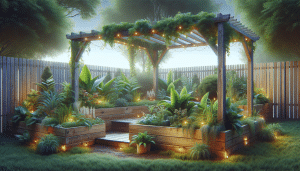
Planning with simplicity in mind allows for functional, attractive spaces with little hassle. Large, open areas covered with gravel, wood chips, or turf alternatives create a neat appearance and eliminate the need for mowing. Raised beds define borders and keep gardens tidy. When planting, group species that grow well together—this reduces competition and makes care easier. Walkways and patios constructed from pavers or flagstone contribute both beauty and practicality, cutting back on soft-scaped regions that demand frequent attention.
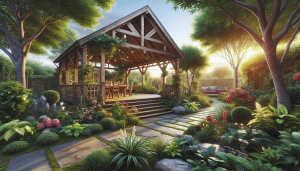
Incorporating hardscape features makes the yard distinctive and virtually maintenance-free. Features like stone walls, seating areas, pergolas, or decorative boulders serve as elegant focal points. These elements are nearly permanent and add lasting value with no seasonal tending. Pots and containers are great for adding pops of color; simply switch out plants seasonally or choose slow-growers that last months between changes. Each decision adds visual intrigue with care requirements kept to a minimum.
Lighting and vertical elements enhance both use and enjoyment. Solar-powered path lights and wall sconces allow families to enjoy outdoor areas long after sunset—installation is quick, and there’s no wiring required. Trellises and climbing plants offer vertical interest without cluttering the ground. Selecting slow-growing vines or trained shrubs means neatness is easy to maintain. Simple, intentional choices at the design stage underpin the best low maintenance yards, transforming chores into occasional tasks instead of constant worry.
Popular Plant Choices for Easy Landscaping
Native grasses are repeatedly chosen for their resilience. Blue grama, fescue, and fountain grass look great and never need frequent mowing or watering. Low growing junipers and sedums are also hard to beat for ground cover—they withstand foot traffic and temperature swings with little care. Succulents, including hens-and-chicks and agave, thrive in drought-prone landscapes. No need to pamper these survivors; they create dramatic, textural interest with minimal effort.
Flowering perennials adapted to local conditions inject color without constant replanting. Yarrow, echinacea, and black-eyed susan work well in most U.S. climates. Lavender and Russian sage add fragrance plus drought tolerance, thriving in sun-baked beds. Shrubs like boxwood or dwarf barberry offer structure; spacing them strategically results in defined lines even when not in bloom. Unlike high-demand annuals, these selections return each year without fuss.
Consider ground covers for tough spots. Creeping thyme and vinca minor grow across slopes and between pavers, crowding out weeds naturally. Clover is often welcomed as a lawn replacement—green, lush, and hardy with much less water than traditional turf. People who want pollinator action love planting milkweed and coreopsis, which attract bees and butterflies. With a thoughtful mix, any yard becomes a sanctuary while staying blissfully easy to manage.
Smart Tools and Tech to Further Cut Maintenance
Today’s technology offers real relief. Robotic lawn mowers quietly trim grass on a set schedule, returning to their charging docks when done. These devices keep small lawn segments tidy, especially for people with mobility challenges or little free time. Battery-powered trimmers, hedge clippers, and blowers further reduce the energy required for routine chores. These tools start instantly, cut noise, and save space in storage compared to gasoline models.
Automated smart irrigation systems do more than deliver water. Many now monitor rainfall, adjust schedules, and send alerts if leaks are detected. Integrating sensors means each zone gets just the water it needs—nothing wasted. For larger plant collections, wireless soil sensors check moisture and send reminders to mobile devices for truly set-it-and-forget-it gardening. These advances combine ease and environmental responsibility in day-to-day yard care.
Manual tools are evolving, too. Ergonomic designs, lightweight materials, and telescoping handles reduce effort and fatigue. From high-quality pruners to garden carts, investing in modern equipment shortens tasks and increases enjoyment. When tools work smarter, not harder, chores feel less daunting. Technology and easy-care strategies are making yard maintenance accessible for all ages and skill levels, ensuring outdoor hobbies can be joyful, not dreaded.
Benefits Beyond Low Upkeep: Environmental and Lifestyle Gains
Reduced water use isn’t just about cost or convenience. Many cities encourage residents to convert lawns to xeriscapes, offering rebates and resources to curb water use. Less irrigation helps aquifers and rivers recover naturally. Using fewer synthetic fertilizers and pesticides decreases runoff, improving watershed health for both wildlife and people. Each low maintenance yard supports broader ecological goals while feeding a sense of local pride in responsible land stewardship.
Easy landscaping is linked to supportive habitats. Native plants attract a variety of pollinators, birds, and beneficial insects. Instead of a yard that looks perfect but sterile, the result is filled with life and color—and all with very little intervention. Families appreciate opportunities for nature watching in their own backyards. Children and adults alike learn more about regional plants and the rhythms of natural cycles every season, leading to greater appreciation for local ecosystems.
Finally, there’s the time and freedom gained. Homeowners who shift to low maintenance yards rediscover weekends, spend less on supplies, and enjoy a continuous sense of accomplishment. These spaces suit active families, older adults, and those renting their homes. It’s possible to have a yard that provides both curb appeal and a sense of sanctuary, all without feeling like a second job. More time, less stress, and a positive environmental impact—how’s that for a win-win?
References
1. United States Environmental Protection Agency. (n.d.). Water-Smart Landscapes. Retrieved from https://www.epa.gov/watersense/water-smart-landscapes
2. National Wildlife Federation. (n.d.). Garden for Wildlife: Choosing Native Plants. Retrieved from https://www.nwf.org/Garden-for-Wildlife/About/Native-Plants
3. University of California Agriculture and Natural Resources. (n.d.). Drought-Tolerant Landscaping. Retrieved from https://ucanr.edu/sites/scmg/files/276840.pdf
4. The Trust for Public Land. (n.d.). Greener yards, leaner lawns. Retrieved from https://www.tpl.org/resource/greener-yards-leaner-lawns
5. Colorado State University Extension. (n.d.). Xeriscaping: Creative Landscaping. Retrieved from https://extension.colostate.edu/docs/pubs/garden/07228.pdf
6. Missouri Botanical Garden. (n.d.). Sustainable Landscaping. Retrieved from https://www.missouribotanicalgarden.org/gardens-gardening/your-garden/help-for-the-home-gardener/advice-tips-resources/sustainable-gardening

 Why Gut Health Shapes Your Wellness Story