Daily Habits That Make a Real Difference for Your Gut
Sophia Clarke October 29, 2025
Explore how easy daily changes can seriously benefit your gut health. Learn what simple steps, like mindful eating and smarter food choices, can truly do for your digestive wellness and overall wellbeing.
The Gut-Health Connection and Everyday Wellness
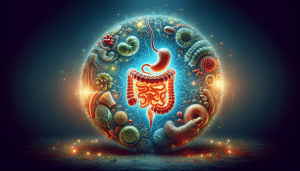
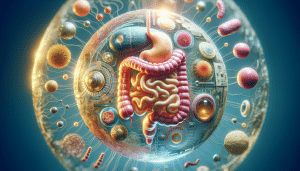
The gut has a much bigger influence on overall wellness than many people realize. Science now links gut health to everything from digestion and metabolism to immune strength and even mood. The digestive system is home to trillions of bacteria (known collectively as the microbiome) that assist in breaking down food, producing essential vitamins, and keeping harmful pathogens at bay. Supporting gut health, therefore, means supporting the entire body. Many people notice real improvements in energy levels and comfort by simply changing daily routines to help their gut. This connection between diet, lifestyle, and the microbiome is a hot topic for researchers and wellness enthusiasts alike.
Small habits, repeated consistently, can encourage a balanced microbiome in surprising ways. Something as straightforward as drinking enough water each day, or including more plant-based foods in meals, supports digestion and feeds beneficial bacteria. A balanced gut can help regulate inflammation, which is associated with reduced risk of conditions like heart disease and diabetes (Source: https://www.niddk.nih.gov/health-information/digestive-diseases/digestive-health). With more information available, the focus on proactive approaches is increasing. Today’s wellness seekers turn to gut health strategies early—sometimes even before symptoms arise.
Unlike diets that feel restrictive or overwhelming, gut-friendly routines tend to be simple and sustainable. The first steps don’t require a dramatic overhaul. Whether it’s eating a wider variety of vegetables, getting regular movement, or cutting back on processed foods, even one new habit can tip the balance in a good direction. Over time, these changes add up, leading to a stronger gut barrier, better absorption of nutrients, and fewer digestive troubles. Gut-focused self-care is easy to personalize. People can select routines that fit their needs, preferences, or sensitivities—and watch how it influences their everyday health.
How Food Choices Shape Your Microbiome
Every time you eat, you’re feeding your gut bacteria as well as yourself. Research highlights the positive effects of a diet rich in dietary fiber and diverse plants. Fibers found in foods like beans, oats, bananas, and leafy greens aren’t just beneficial for the gut—they’re crucial for encouraging the growth of good bacteria (Source: https://www.hsph.harvard.edu/nutritionsource/probiotics/). These bacteria help break down parts of foods that would otherwise be indigestible, producing short-chain fatty acids that maintain gut lining and lower inflammation. More variety equals more microbial diversity, a key sign of gut health.
Highly processed foods, sugar-laden snacks, and artificial sweeteners have the opposite effect on the gut. They can feed less-friendly bacteria or make life harder for beneficial microbes. Balancing your plate with whole grains, nuts, and fermented foods like yogurt, kefir, or kimchi is an easy way to boost beneficial bacteria. These food choices also bring vitamins, minerals, and natural enzymes that play a part in digestion. Try aiming for a “rainbow on your plate”—more colors, more fiber, and more nutrients to power the gut.
Fermented foods deserve special mention when discussing gut health. They’re natural sources of probiotics—live bacteria that may help bolster gut populations. Incorporating a small amount several times a week, such as a spoonful of sauerkraut or a serving of plain Greek yogurt, is a realistic and sustainable way to support gut balance (Source: https://www.mayoclinic.org/healthy-lifestyle/nutrition-and-healthy-eating/expert-answers/probiotics/faq-20058065). While no food works as a miracle, consistent, balanced choices build a foundation for optimal digestion and vibrant overall wellbeing.
The Impact of Stress and Sleep on Digestion
Modern life is fast-paced, and chronic stress affects the gut in many ways. The gut and brain are closely connected—a relationship called the gut-brain axis. Stress hormones can disrupt the natural movement of the gut and shift the makeup of microbiota, sometimes leading to discomfort or irregularity. One proven daily strategy for gut health is mindfulness. Techniques like deep breathing, meditation, or gentle exercise can all reduce the impact of stress on digestion (Source: https://www.apa.org/monitor/2012/09/gut-feeling).
Getting enough restorative sleep is just as important. Researchers are finding that sleep disruption can negatively affect the gut microbiome and increase sensitivity to digestive issues. People who maintain better sleep habits—winding down consistently, avoiding screens before bed, and keeping a regular schedule—often notice improved gut comfort. These effects work both ways. A happier gut may even lead to deeper, more restorative rest (Source: https://www.sleepfoundation.org/physical-health/gut-health-and-sleep).
Stress and poor sleep don’t only lead to obvious tummy troubles. They can also influence immune responses, energy levels, and even mood. Noticing these connections is the first step. By prioritizing stress management and quality sleep, anyone can make real progress toward better digestion. Simple steps—like five minutes of mindful breathing, an early bedtime, or reducing caffeine late in the day—add up over time to a healthier gut and a more resilient body.
Movement and Exercise: More Than Just Fitness
Physical movement goes hand-in-hand with digestive wellness. Studies consistently show that regular exercise supports a diverse, thriving gut environment. Moderate activity—like walking, cycling, or swimming—can stimulate digestion and encourage more comfortable, regular bowel movements. Some evidence suggests that exercise may boost levels of specific beneficial bacteria, supporting optimal nutrition absorption and gut barrier integrity.
Activity doesn’t need to be intense or complex. Even simple movement, such as a brisk daily walk or gentle yoga, can make a meaningful difference over time. What matters most is consistency. Those who move regularly often report less bloating, more predictable gastrointestinal rhythms, and all the physical and mental rewards of an active lifestyle. Exercise can also be a stress buster, which—as discussed—directly helps digestive health.
Being sedentary for long stretches, on the other hand, is linked to slower digestion and a less diverse gut microbiome. As a practical step, try standing up and stretching each hour, or adding a short walk after lunch. These simple changes require little planning and are easy to maintain year-round. Exercise doesn’t just help muscles or heart health—it’s one of the most practical, accessible ways to maintain a thriving digestive system for life.
The Role of Hydration in Daily Gut Support
The importance of water for gut health is sometimes overlooked, but hydration has a direct impact on digestive processes. Water helps dissolve nutrients, supports the movement of food through the digestive system, and is essential for the production of digestive juices. Without enough fluids, the risk of constipation rises, making regular bathroom visits less comfortable or predictable. Most people benefit from increasing their water intake, especially in warm weather or when physically active.
Other drinks—like herbal teas or naturally-infused water—can be good for gut health too. However, it’s a good idea to limit sugary beverages, sodas, or high-caffeine drinks, since these can sometimes irritate the stomach or disrupt the gut lining. Sipping water steadily throughout the day, rather than all at once, is also helpful. This makes hydration a habit that fits easily into any lifestyle.
Being aware of thirst signals, the color of urine, and general energy levels can be helpful guides. Sometimes what feels like hunger is actually mild dehydration. If healthy hydration becomes second nature, the gut lining stays strong, digestion is smoother, and the overall comfort improves. This easy change supports every aspect of gut health for people of all ages.
Simple Daily Habits for Sustainable Gut Health
Building gut-friendly routines doesn’t have to be difficult or expensive. Start with small, manageable daily steps like chewing food thoroughly and eating meals at regular intervals. This approach helps the body recognize hunger cues, produce digestive enzymes, and better absorb nutrients from food. Taking time to eat, instead of rushing, supports both the gut and a positive relationship with meals.
Including prebiotic foods—such as onions, garlic, asparagus, and whole oats—is another easy habit. Prebiotics feed the beneficial bacteria already living in your gut, helping them thrive. Many people also find it helpful to reduce reliance on unnecessary antibiotics or over-the-counter digestive aids, since these can disrupt microbial balance if used too frequently (Source: https://www.ncbi.nlm.nih.gov/pmc/articles/PMC6723030/).
Listening to your body’s signals—including fullness, bloating, or discomfort—makes it possible to adjust habits until they feel comfortable and effective. Remember, each person’s gut is unique. Experimenting with different foods, movement, or relaxation techniques makes it possible to discover which routines deliver the best results. Ongoing attention to daily habits is a rewarding way to support digestive wellbeing and overall health, year-round.
References
1. National Institute of Diabetes and Digestive and Kidney Diseases. (n.d.). Digestive Health. Retrieved from https://www.niddk.nih.gov/health-information/digestive-diseases/digestive-health
2. Harvard T.H. Chan School of Public Health. (n.d.). The Nutrition Source: Probiotics. Retrieved from https://www.hsph.harvard.edu/nutritionsource/probiotics/
3. Mayo Clinic. (n.d.). Probiotics: What is it? Can it help you? Retrieved from https://www.mayoclinic.org/healthy-lifestyle/nutrition-and-healthy-eating/expert-answers/probiotics/faq-20058065
4. American Psychological Association. (2012). That Gut Feeling. Retrieved from https://www.apa.org/monitor/2012/09/gut-feeling
5. Sleep Foundation. (n.d.). Gut Health and Sleep. Retrieved from https://www.sleepfoundation.org/physical-health/gut-health-and-sleep
6. National Center for Biotechnology Information. (2019). The Role of Gut Microbiota in Nutrition and Health. Retrieved from https://www.ncbi.nlm.nih.gov/pmc/articles/PMC6723030/

 Why News About Artificial Intelligence Impacts You