Simple Lifestyle Tweaks That May Improve Your Gut Health
Sophia Clarke October 22, 2025
Dive into the fascinating world of gut health and discover how daily habits may impact digestion, immunity, and overall well-being. This guide explores practical tips and scientific insights, helping you understand which easy adjustments can support a healthier gut and why it matters.
Understanding Your Gut Microbiome
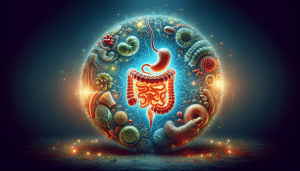
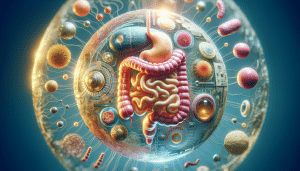
The gut microbiome is a complex ecosystem contained within your digestive tract, housing trillions of microorganisms. These friendly bacteria, viruses, and fungi are responsible for more than just breaking down food. Scientific studies suggest a well-balanced microbiome is intricately linked to digestion, immune regulation, and even mood (Source: https://www.nih.gov/news-events/nih-research-matters/gut-microbes-affect-brain-health). When the balance of “good” and “bad” microbes shifts in the wrong direction, discomfort, inflammation, or even chronic conditions can follow. Gut health has become a topic of global concern as people search for natural ways to enhance wellness without drastic measures.
Gut flora diversity often reflects lifestyle choices, diet, and environmental exposure. Diets high in processed foods tend to reduce the number of beneficial bacteria, potentially opening the door to digestive troubles. Introducing more varied, plant-focused foods and minimizing ultra-processed items may help beneficial microbes flourish (Source: https://www.hsph.harvard.edu/nutritionsource/microbiome/). Research continues to reveal how certain dietary fibers fuel positive bacterial growth, especially prebiotics found in foods like garlic, onions, and asparagus.
Beyond nutrition, stress, medication, and daily movement significantly influence the gut environment. Prolonged stress, for example, is linked to changes in the gut microbiota and weakened intestinal barriers (Source: https://www.apa.org/news/press/releases/2018/08/stress-bacteria). Simple awareness of how interconnected these factors are puts you in a position to make small changes with potentially meaningful health payoffs.
The Role of Diet in Gut Wellness
Diet is arguably the most influential daily factor in gut health. Fiber-rich vegetables, whole grains, and fermented foods each introduce different digestive and microbiome-supporting compounds. Fermented items like yogurt, kefir, kimchi, or sauerkraut provide live cultures known as probiotics. These can support microbial diversity and balance, which may ease common complaints such as bloating or irregularity (Source: https://www.mayoclinic.org/healthy-lifestyle/nutrition-and-healthy-eating/expert-answers/probiotics/faq-20058065).
Processed foods, artificial sweeteners, and large amounts of saturated fat are known to disrupt gut flora and may increase gut permeability (sometimes called ‘leaky gut’). The Mediterranean diet, rich in olive oil, legumes, greens, and fish, has earned praise for nurturing healthy bacteria and reducing inflammation. Evidence suggests swapping out simple carbohydrates for complex, fiber-filled alternatives can have measurable benefits for gut and metabolic health (Source: https://www.health.harvard.edu/blog/nutritional-strategies-for-gut-health-202110262623).
Consistent hydration is another unsung hero of digestive well-being. Water helps soluble fiber form a gel-like substance, aiding regular transit and keeping harmful toxins moving through the body. Creative approaches—like adding citrus or herbs to water—can improve the experience while encouraging increased intake. Overall, building gut-beneficial meals into your routine doesn’t have to be restrictive; focus on variety and mindful choices.
Physical Activity and the Gut-Brain Connection
Physical movement plays an overlooked role in gut wellness. Moderate exercise—like brisk walking, cycling, or swimming—can stimulate digestion and promote regularity. Studies show that people with active lifestyles often have more diverse microbiomes, which support better health outcomes (Source: https://www.ncbi.nlm.nih.gov/pmc/articles/PMC5561407/). Even small, daily changes like taking the stairs or stretching during breaks can help.
The gut-brain axis describes the constant communication between your gastrointestinal tract and your nervous system. This two-way pathway means that physical and emotional stress can influence the gut, just as gut imbalances may affect mood and cognition. People who prioritize movement, even gentle forms such as yoga or tai chi, often report less digestive distress and better overall resilience. Recent research highlights that regular exercise lessens markers of inflammation and modulates bacteria that help produce ‘feel good’ neurotransmitters such as serotonin.
Making movement a non-negotiable part of daily life doesn’t need to be overwhelming. Instead, try short intervals spread throughout the day—walk after meals, stretch before bed, dance while making dinner. Over time, these micro-habits may result in positive shifts for both the gut and mental well-being, showcasing the synergy between physical activity and healthy digestion.
Rest, Sleep, and the Gut’s Natural Rhythms
Circadian rhythms not only regulate sleep but also direct digestive patterns and microbial activity. The gut follows a daily schedule, adjusting enzyme production and nutrient absorption in tune with wake-sleep cycles. Disruption from shift work, late-night eating, or insufficient rest can impair these rhythms and task the microbiome with extra stress (Source: https://www.sleepfoundation.org/nutrition/gut-and-sleep).
Deep, restorative sleep is associated with better appetite regulation, stronger immunity, and fewer gastrointestinal upsets. Poor sleep, on the other hand, may shift gut bacterial balance, contributing to metabolic imbalances. Developing calming bedtime routines—dim lighting, unplugging from screens, and relaxation techniques—may make quality sleep more accessible and bolster gut health as a result.
Gut discomfort or digestive symptoms can sometimes make it hard to settle at night. Journaling or tracking food intake and sleep quality can bring to light patterns that, once adjusted, allow both gut and sleep health to flourish. Thoughtful attention to evenings pays off in the form of more consistent energy, better digestion, and improved mood during the day.
Managing Stress for Digestive Harmony
Stress management is more than a mental luxury—it’s a cornerstone of healthy digestion. Under stress, the body’s fight-or-flight response diverts blood from the gut and stalls peristalsis, which can lead to symptoms like cramps, bloating, or irregular bowel movements. Mindful stress-reducing techniques such as meditation, deep breathing, or mindful walking may ease these disruptions and foster resilience (Source: https://www.cdc.gov/mentalhealth/stress-coping/index.html).
Chronic anxiety or tension can contribute to persistent changes in gut motility and microbial diversity. Mind-body practices, especially when combined with social support, naturally moderate the body’s stress response and help maintain digestive harmony. Learning to recognize stress triggers—whether from work, relationships, or screen time—enables conscious choices to mitigate their impact.
Simple rituals—like tea breaks, mindfulness exercises, or even short walks in nature—can offer daily relief. Integrating these habits may prevent stress from accumulating and disrupting gut comfort. Over time, consistent efforts to lower stress levels create a more balanced internal environment, enhancing both digestion and overall health.
When to Seek Guidance for Gut Issues
Many common digestive complaints can be managed through lifestyle changes, but persistent or severe symptoms deserve professional attention. When discomfort disrupts daily activities, or symptoms like unexplained weight loss, persistent pain, or blood in the stool arise, it’s important to seek evaluation. Early recognition helps avoid complications and ensures appropriate interventions (Source: https://www.niddk.nih.gov/health-information/digestive-diseases).
Specialists can help differentiate between everyday digestive fluctuations and chronic conditions such as irritable bowel syndrome or inflammatory bowel disease. Diagnostic testing and personalized advice may be needed. Meanwhile, documenting symptoms, dietary intake, and lifestyle patterns can help inform medical visits and speed accurate assessment.
Remember, gut wellness is highly individual. What works for one person may not suit another. Evidence suggests that relief is most often found when scientific understanding and personal experience are used together, shaping practical, personalized routines for digestive health.
References
1. National Institutes of Health. (n.d.). Gut microbes affect brain health. Retrieved from https://www.nih.gov/news-events/nih-research-matters/gut-microbes-affect-brain-health
2. Harvard T.H. Chan School of Public Health. (n.d.). The Nutrition Source: The Microbiome. Retrieved from https://www.hsph.harvard.edu/nutritionsource/microbiome/
3. American Psychological Association. (2018). Stress and the Microbiome. Retrieved from https://www.apa.org/news/press/releases/2018/08/stress-bacteria
4. Mayo Clinic. (n.d.). Probiotics: What is it and does it help? Retrieved from https://www.mayoclinic.org/healthy-lifestyle/nutrition-and-healthy-eating/expert-answers/probiotics/faq-20058065
5. Sleep Foundation. (n.d.). Gut Health and Sleep. Retrieved from https://www.sleepfoundation.org/nutrition/gut-and-sleep
6. National Institute of Diabetes and Digestive and Kidney Diseases. (n.d.). Digestive diseases. Retrieved from https://www.niddk.nih.gov/health-information/digestive-diseases

 Unlocking Passive Income Streams That Work For You