Minimalist Home Decor Ideas You’ll Love
Elena Martinez October 21, 2025
Discover how minimalist home decor can transform any living space into a soothing retreat. This guide explores practical lifestyle ideas, affordable decorating tips, and the calming benefits of pared-down interiors to inspire your next home refresh.
Why Minimalism Appeals to Modern Lifestyles
Minimalist home decor remains a defining trend for those looking to create peaceful, functional spaces in busy modern lives. Clutter-free environments foster clarity and calm, making them ideal for unwinding after a long day or focusing on creative pursuits. With many people returning to basics, the appeal of minimalism is rooted in its visual simplicity and versatile potential. Elements like neutral color palettes, natural textures, and negative space evoke a sense of serenity. Many styling choices are influenced by Scandinavian or Japanese philosophies, where every item has a purpose. People find that living with less doesn’t mean sacrificing comfort or style; in many cases, it encourages intentional living.
The cultural shift toward minimalism is also about quality over quantity. Instead of collecting numerous decorative items, the focus turns to a few well-chosen pieces that resonate personally. This careful selection can contribute to well-being and mindfulness. Studies have shown that an organized home reduces stress levels and even improves sleep patterns (Source: https://www.sleepfoundation.org/sleep-hygiene/bedroom-environment). For urban dwellers or anyone downsizing, minimalist decor maximizes available space while keeping energy costs and maintenance needs low.
Aside from aesthetic value, adopting minimalism can be a sustainable living choice. By reducing impulse purchases and focusing on upcycled or responsibly made decor, individuals embrace eco-friendly habits without compromising beauty. Minimalist trends continue to evolve, adapting to shared spaces and even smart home features that further de-clutter living areas. There’s a growing community of enthusiasts who share adaptable ideas and real-home stories online to inspire others. Minimalist interiors may look simple, but their impact touches every aspect of home life from organization to overall happiness.
Design Principles That Define Minimalist Decor
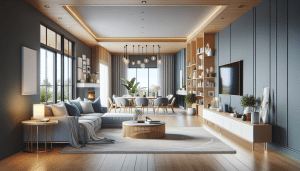
At its core, minimalist home decor relies on several design principles that create balance and harmony. Neutral color schemes, such as whites, beiges, and soft grays, provide an airy backdrop while accenting architectural features. Clean lines and uncluttered surfaces make rooms feel larger and less overwhelming. Open shelving, low-profile furniture, and hidden storage contribute to this effect, offering a blend of functionality and visual appeal. These choices aren’t just about how things look—they’re meant to facilitate easier living and cleaning routines.
Light plays a significant role in minimalist spaces. Large windows, sheer curtains, or strategically placed mirrors amplify natural brightness for a sense of openness. Incorporating live plants adds texture without overwhelming the scene, acting as accents that purify air and soften edges (Source: https://www.ncbi.nlm.nih.gov/pmc/articles/PMC4419447/). Carefully edited artwork and statement pieces stand out more against pared-down backgrounds. Even everyday essentials, like ceramic vases or linen cushions, can become artful when chosen for quality and satisfaction.
Minimalist design also encourages mindful consumption. Instead of filling every surface, decorators are advised to leave empty spaces—these negative spaces create breathing room and direct focus to what’s truly important. Pieces are chosen for longevity, with materials like solid wood, metal, or unglazed ceramics dominating. Modular layouts allow furniture to adapt as needs change, making minimalist decor flexible for families or individuals who move frequently. Those who embrace these principles often find less visual noise translates to more mental clarity.
Affordable Ways to Achieve Minimalist Style
Minimalist home decor is often associated with luxury magazines, but it can be surprisingly accessible. The first step is decluttering existing possessions. Donate, recycle, or sell items that no longer serve a purpose or bring joy. Next, evaluate what’s truly essential for your space. Repurposed furniture or thrifted finds can fit beautifully into a minimalist scheme when refinished in neutral paint or paired with simple textiles. Prioritizing function and clear surfaces keeps costs down and discourages future clutter.
Smart shopping plays a role in affordable minimalism. Seek out multipurpose furniture—think ottomans that store blankets or extendable dining tables. Minimalist interiors benefit from fewer, better pieces rather than frequent purchases. Explore online marketplaces and local workshops for sustainably made goods or vintage modern lines. Many affordable home brands now prioritize eco-friendly materials, which aligns with minimalist values while easing budget pressure (https://www.epa.gov/recycle/reducing-waste-what-you-can-do).
Do-it-yourself projects are another budget-friendly way to personalize your home. Painting old frames in matte black or refreshing a wooden table with sandpaper and wax can offer a chic custom look. Wall-mounted shelves, crafted storage baskets, or handmade pottery add layers of warmth without overwhelming simplicity. Make the most of every corner by using modular containers and hooks to keep things off the floor. Affordable minimalist decor balances function, comfort, and creative flair.
The Subtle Power of Lighting and Texture
Effective minimalist decor relies on well-considered lighting. Layered lights, such as recessed ceiling fixtures, standing lamps, or pendant pendants, let you tailor brightness for every time of day. Dimmable technology and smart bulbs also allow for mood adjustments without cluttering surfaces. Natural light remains key; larger windows, glass doors, and light-reflecting surfaces help establish an inviting feel that shifts as the sun moves.
Texture gives depth to pared-back rooms, preventing spaces from feeling sterile. Combine wool throws, woven baskets, and tactile natural rugs for tactile variety. Stone vases, rattan chairs, and unfinished wood can break up monochrome palettes without sacrificing a cohesive look. Experimenting with matte finishes versus glossy accents helps draw the eye to focal points without excessive decoration (Source: https://www.archdaily.com/896982/how-to-use-textures-in-interior-design-8-tips-to-create-inviting-spaces).
Minimalist lighting and texture are inseparable. Achieving the right balance turns a plain room into a comforting refuge. For example, linen curtains softly diffuse sunlight while ceramic lamp bases add gentle contrast. Smart placement of mirrors can brighten corridors or small bedrooms, further enhancing the feeling of openness. A minimalist philosophy means fewer distractions but infinitely more satisfaction through subtle, well-chosen touches.
Living With Less: Minimalism and Well-being
Minimalism does more than improve how a home looks; it positively impacts daily wellness. Reducing visual clutter lets minds relax, which can lead to more productive mornings or restful evenings. Many individuals report an increased sense of control when living in well-edited, organized environments—especially during periods of stress or upheaval.
Research supports the idea that clean, minimalist spaces can boost mental and emotional well-being. Lower anxiety, improved focus, and increased creativity are among the documented benefits (Source: https://greatergood.berkeley.edu/article/item/how_clutter_affects_your_brain_and_what_you_can_do_about_it). Minimalism requires regular reflection: what truly matters, and what can be let go? This ongoing process reinforces mindfulness, gratitude, and intentionality in both home and life.
Minimalist living is adaptable. It isn’t about sacrificing comfort—rather, it’s about prioritizing well-being and enjoyment. Over time, the result is not just a more beautiful home, but a more peaceful lifestyle. Online communities, guidebooks, and multimedia resources offer further inspiration, making it easy for anyone to join the conversation and explore more about this transformative approach to decor and daily life.
Personalizing Your Minimalist Home
Minimalism is not a one-size-fits-all philosophy. Personal touches and meaningful details ensure that a minimalist home reflects its inhabitants. Displaying a small collection of favorite books, cherished souvenirs, or carefully chosen artworks infuses warmth into streamlined spaces. Rotating decorative objects with the seasons helps rooms feel fresh without accumulation.
Custom storage solutions are another way to balance personal needs with minimalist goals. Closets outfitted with adjustable shelves, hidden compartments in beds, or modular shelving accommodate changing lifestyles. Choosing soft furnishings in calming shades or textured finishes creates comfort and personality without overwhelming simplicity (Source: https://www.houzz.com/magazine/decorating-101-how-to-personalize-a-minimalist-home-stsetivw-vs~82315709).
Family life, pets, or hobbies can all coexist with minimalist design. The key is adaptability and a willingness to evolve as needs change. Minimalism supports creativity by making space for new experiences rather than tying you to possessions. As a decorating style and a way of living, its greatest gift is the freedom to be intentional, comfortable, and at ease in your own space.
References
1. National Sleep Foundation. (n.d.). Bedroom Environment. Retrieved from https://www.sleepfoundation.org/sleep-hygiene/bedroom-environment
2. Bringslimark, T., Hartig, T., & Patil, G. G. (2009). The psychological benefits of indoor plants. Retrieved from https://www.ncbi.nlm.nih.gov/pmc/articles/PMC4419447/
3. U.S. Environmental Protection Agency. (n.d.). Reducing Waste: What You Can Do. Retrieved from https://www.epa.gov/recycle/reducing-waste-what-you-can-do
4. ArchDaily. (2018). How to Use Textures in Interior Design: 8 Tips to Create Inviting Spaces. Retrieved from https://www.archdaily.com/896982/how-to-use-textures-in-interior-design-8-tips-to-create-inviting-spaces
5. Greater Good Science Center at UC Berkeley. (n.d.). How Clutter Affects Your Brain and What You Can Do About It. Retrieved from https://greatergood.berkeley.edu/article/item/how_clutter_affects_your_brain_and_what_you_can_do_about_it
6. Houzz. (n.d.). Decorating 101: How to Personalize a Minimalist Home. Retrieved from https://www.houzz.com/magazine/decorating-101-how-to-personalize-a-minimalist-home-stsetivw-vs~82315709

 Secrets That Make Real Estate Agents Stand Out