Secrets Landscape Designers Wish You Knew
Daniel Hughes October 16, 2025
Curious about transforming your outdoor space with real results? Uncover practical insights professional landscape designers often keep to themselves, from choosing the right plants to boosting your home’s value. Get ready to look at your garden in a whole new light with this engaging guide built for true home and garden enthusiasts.
The Power of Strategic Plant Selection
Many overlook the impact that thoughtful plant selection can have on the overall success of a landscape design. Professionals often recommend looking beyond aesthetics and considering each plant’s climate adaptability, growth habits, and maintenance needs. When plants are chosen with foresight, they thrive in their new environment and deliver long-term visual rewards. For instance, selecting native plants not only supports local biodiversity but also reduces ongoing care requirements. This approach is a foundational principle behind modern sustainable landscaping, which experts say yields healthier gardens and less labor-intensive upkeep. Proper plant placement also considers sunlight, water requirements, and seasonal interest—so a garden remains attractive year-round. With so many plant varieties to consider, knowing where to begin can feel overwhelming, but aligning choices with your specific conditions sets you up for landscape success (Source: https://hort.extension.wisc.edu/articles/selecting-plants-for-landscaping/).
Professional landscape designers know the secret is often in grouping plants by their water and sunlight needs. This not only makes garden routines more efficient but creates healthy microclimates, so plants buffer each other from wind and temperature swings. Layering heights—from groundcovers to mid-level shrubs to tall accent trees—adds structure, dimension, and visual interest. The plant palette can also highlight seasonal blooms for continual color, ensuring that there’s always something catching the eye. Many experienced gardeners recommend starting with a modest selection and gradually expanding as you discover what works best in your space.
Another essential consideration is future growth. Novices sometimes crowd young plants too closely, forgetting that small saplings today can become large shrubs or trees in years to come. By researching mature sizes, you can avoid the costly mistake of overcrowding, which inhibits airflow and increases susceptibility to disease. Leaving proper space allows each plant to reach its potential, resulting in a garden that looks lush instead of cluttered. With this knowledge, you can choose species that remain manageable, complement each other, and fit your specific home landscape goals.
Design Principles to Make a Small Yard Feel Spacious
Landscape designers are skilled at making compact yards feel open and welcoming. One effective trick is using diagonal lines or curved pathways, which draw the eye across the garden and create an illusion of depth and movement. This approach contrasts with straight lines, which can box in small areas and highlight their limited size. Additionally, layering plant heights helps build visual interest while blurring boundaries, making the entire scene look broader. Placing taller elements at the far edges, and using low-growing plants near the entry point, enhances the perception of a larger space (Source: https://www.purdue.edu/hla/sites/yardandgarden/creating-an-illusion-of-space-in-the-small-garden/).
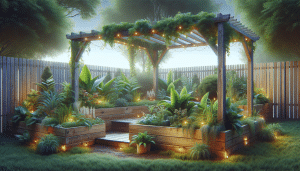
Material choices also play a significant role in influencing how large a space feels. Designers often use lighter colors and reflective surfaces, such as pale paving stones or mirrored ornaments, to bounce light around the garden. Painting fences or using trellises with airy, openwork designs adds dimension and prevents your boundaries from feeling closed-in. Clever placement of lawns, flower beds, or water features can create focal points—drawing attention to key parts of your yard and making those elements feel more expansive. The strategic use of raised beds lifts plantings into view, maximizing ground usage and making small yards easier to maintain.
Finally, scale matters. Using oversized furniture or dominant plants in a confined space can make everything feel cramped. It’s a subtle art, selecting features that provide comfort and style without overwhelming the area. Vertical gardening, hanging planters, or climbing vines enable you to grow more without sacrificing precious footprint. Creating layered views—from patios to distant planting beds—offers a journey through the garden, so even in modest yards, there’s a sense of discovery, not limitation.
Low-Maintenance Tips the Pros Rely On
Many homeowners wish for a beautiful landscape that doesn’t consume every weekend. Seasoned designers often start with a foundation of perennial plants—choices that return year after year, reducing annual replanting chores. Mulching around shrubs and perennials retains moisture, suppresses weeds, and moderates soil temperature. Drip irrigation systems or soaker hoses offer precise watering with minimal waste, which is both convenient and eco-friendly (Source: https://extension.psu.edu/low-maintenance-landscaping).
Some techniques, like planting ground covers under trees and between stepping stones, keep weeds at bay and add effortless color. Experts often suggest choosing plants that aren’t finicky—they tolerate variations in soil, precipitation, and sunlight. Native species excel in this regard; they’ve evolved to flourish in local conditions and often require less fertilizer, pesticide, and supplemental watering, making them ideal for reducing ongoing demands. Smart design also means minimizing hard-to-mow corners, favoring broad turns and generous planting beds over fussy, high-maintenance lawns.
Using natural barriers—like dense shrub borders or gravel paths—can deter pests without the need for chemicals, creating a healthier landscape that’s easier to enjoy. Some professionals integrate automatic irrigation controls or solar-powered lights to streamline upkeep. Ultimately, the secret is to design with your real-life time constraints in mind: plan for pleasure, not endless tasks. The results? More time spent relaxing in your garden and less worrying about what needs attention next.
Blending Beauty and Function with Hardscaping Elements
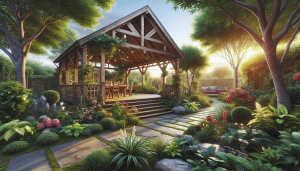
Hardscaping refers to the non-living elements of garden design—think patios, pathways, retaining walls, and decorative stone. These features provide structure, visual interest, and practical benefits. Properly installed, they help manage drainage, create usable outdoor rooms, and boost property value. Many designers begin the planning process by focusing on these anchor points, then integrating planting schemes around them for seamless cohesion. The right materials—flagstone, gravel, pavers, or brick—enhance both function and style (Source: https://www.gardendesign.com/hardscaping/).
Beyond aesthetics, hardscaping can solve common landscape challenges. Retaining walls level sloping yards, while wide paths offer safer, accessible routes for visitors of all ages. Outdoor living spaces—complete with fire pits, benches, and weatherproof dining areas—expand the useable footprint of a home, often becoming favorite gathering spots. Incorporating water features like fountains or ponds introduces soothing sights and sounds, encouraging relaxation and wildlife habitat.
Careful balance is key. Overly dominant hardscaping can make a garden feel unwelcoming, while too little may limit function and accessibility. Mixing materials in subtle, harmonious ways—contrasting textures and colors—invites interest without overwhelming the senses. Whether you dream of a sunlit courtyard or rustic gravel walkways winding through shade, blending these elements with living greenery creates a holistic outdoor space that feels both beautiful and purposeful. Consider the long-term: well-constructed hardscape features may last decades with only routine cleaning and occasional maintenance.
Boosting Home Value and Curb Appeal
Did you know that strategic landscape improvements can raise property values and speed the sale of homes? Studies show that curb appeal—the first impression from the street—greatly influences perceived value. Neat lawns, healthy plantings, and defined beds create a welcoming entry. Simple upgrades, like edging paths or refreshing mulch, generate outsized returns for minimal investment. Real estate professionals routinely suggest prioritizing front gardens and main walkways because these areas frame the entire home’s appearance (Source: https://www.tnstate.edu/extension/documents/ImprovingCurbAppeal.pdf).
Mature shade trees, flowering borders, and coordinated color schemes provide visual rewards that set your home apart. By working with local native species, plantings are more likely to thrive—and easier for future owners to maintain. Pathway lighting and low-maintenance shrubs bolster evening appeal and enhance security. Well-placed trees may also help lower energy costs by shading buildings, which appeals to sustainability-minded buyers and adds everyday comfort for residents.
All these efforts add up. Whether you’re preparing to sell or just want to enjoy a more beautiful living space, curb appeal offers real, measurable benefits. It’s not about extravagance but about coherent design, healthy vegetation, and a welcoming atmosphere. Even small changes, tackled step by step, can have a big impact on the value and enjoyment of your property. Thoughtful landscaping becomes an investment in your home’s future.
Planning for All Seasons and Sustainable Success
Four-season interest is a hallmark of expert landscape design. By planning for winter, spring, summer, and fall, you ensure enjoyment year-round. This means selecting plants with varying bloom times, foliage colors, and textures—such as evergreens, ornamental grasses, spring bulbs, and deciduous trees with vivid autumn leaves. Incorporating non-plant focal points, like sculptures or attractive containers, keeps gardens visually engaging even when many plants are dormant (Source: https://extension.umn.edu/landscape-design/landscape-design-finding-your-style).
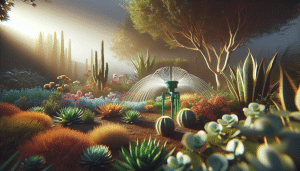
Sustainability is increasingly in focus for both professional and home gardeners. Using drought-tolerant plants, compost for soil health, and water-wise irrigation systems supports long-term resilience. Composting garden clippings, fallen leaves, and household food scraps reduces waste and generates valuable nutrient-rich mulch. Permeable pathways and rain gardens manage stormwater, preserving your landscape and benefiting the broader environment. Professionals stress the value of ‘right plant, right place’—matching species to your soil and sunlight—so resources are used efficiently and plants stay robust with minimal intervention.
Maintenance also shifts with the seasons; pruning, mulching, fertilizing, or adjusting irrigation can be timed to each plant’s growth patterns. Documenting your landscape plan helps track what works over the years, making it simpler to fine-tune plant choices or layout as your preferences evolve. Sustainability isn’t just about the environment—it’s also about designing a garden you’ll continue to enjoy and nurture for years to come. Landscape designers know a successful plan is one that strikes a balance between nature, personal style, and effortless beauty.
References
1. University of Wisconsin-Madison Extension. (n.d.). Selecting Plants for Landscaping. Retrieved from https://hort.extension.wisc.edu/articles/selecting-plants-for-landscaping/
2. Purdue University. (n.d.). Creating an Illusion of Space in the Small Garden. Retrieved from https://www.purdue.edu/hla/sites/yardandgarden/creating-an-illusion-of-space-in-the-small-garden/
3. Penn State Extension. (n.d.). Low-Maintenance Landscaping. Retrieved from https://extension.psu.edu/low-maintenance-landscaping
4. Garden Design. (n.d.). Hardscaping 101: Design Ideas. Retrieved from https://www.gardendesign.com/hardscaping/
5. Tennessee State University. (2014). Improving Curb Appeal. Retrieved from https://www.tnstate.edu/extension/documents/ImprovingCurbAppeal.pdf
6. University of Minnesota Extension. (n.d.). Landscape Design: Finding Your Style. Retrieved from https://extension.umn.edu/landscape-design/landscape-design-finding-your-style

 AI News Shaping the Stories You Read Online