Solo Travel Adventures You Never Expected
Daniel Hughes September 26, 2025
Discover how solo travel opens up unforgettable adventures, new friendships, and personal growth across the globe. This guide unpacks practical tips, ways to boost confidence, safety strategies, and captivating locations—all woven into an exploration of what makes traveling alone so rewarding.
Why Solo Travel Feels So Liberating
Freedom is at the heart of the solo travel experience. When venturing out alone, each decision—whether choosing a destination, planning a route, or just lingering in a café—rests solely on the traveler. No negotiations, no compromises. This sense of independence leads many to describe solo journeys as life-changing and confidence-building. Being the navigator of your own trip means spontaneous detours are not just possible, but celebrated. The world feels wide open, with each horizon offering a new story. Travelers often note that experiencing landmarks or hidden gems on their own makes each discovery more personal, deepening memories of every place visited.
Solo adventures also encourage more authentic connections with local cultures. Without the buffer of companions, it’s easier to interact with residents, join communal activities, or pick up snippets of a language. Engaging with the environment fosters a spirit of openness that can make each stop along the way feel novel. For instance, many who travel alone find they’re more likely to try local street food, join group tours, or chat with fellow travelers. These moments spark discoveries—culinary, artistic, historic—that might otherwise remain under the radar. This personalized approach to travel makes each day unique, creating a patchwork of vivid, meaningful experiences.
Many solo travelers discover a new level of resilience. Facing hurdles, whether it’s navigating foreign transit or coping with unexpected weather, builds resourcefulness. Simple decisions take on added importance, and overcoming initial doubts can instill a future-oriented mindset. As a result, even routine setbacks start to seem like opportunities for growth. Importantly, solo travel often becomes a practice in mindfulness—encouraging deeper observation of sights, sounds, and feelings than when distracted by group coordination. This awareness is a gift that lingers long after the journey ends.
Top Destinations for Solo Travelers: What to Look For
Choosing destinations known for solo travel friendliness can set the tone for a rewarding adventure. Cities with established backpacker scenes or highly-rated hostels offer vibrant social environments. Places like Lisbon, Chiang Mai, and Reykjavik are celebrated for safety and their culture of welcoming visitors. These cities provide not only world-class sights but also community-driven experiences like walking tours, cooking classes, and language exchanges. For first-timers, heading to such spots can ease nerves and foster new friendships. Review sites and travel forums highlight destinations where solo travel feels both accessible and inspiring.
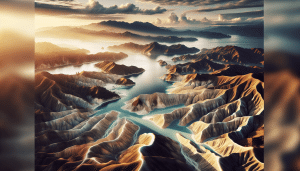
Natural wonders also draw independent explorers. National parks, coastal trails, and cultural sites easily support solo journeys. Consider spots like Yosemite, the Camino de Santiago, or New Zealand’s South Island. These offer structured routes, communal lodgings, and a built-in sense of camaraderie among fellow wayfarers. Nature-focused travel is not just restorative, it produces a sense of accomplishment—summiting a peak or completing a hike solo brings confidence unlike any other. These routes also typically provide clear signposting, safe infrastructure, and opportunities to join group activities along the way, ensuring safety and sociability blend seamlessly.
Personal interests can be a compass. Love history? Ancient cities like Rome or Kyoto provide ample treasure troves to explore independently. Drawn to art or music? Solo travelers often enjoy flexible itineraries that allow for endless gallery-hopping or discovering live local performances. Foodies find vibrant solo-friendly culinary scenes in places like Bangkok, Barcelona, or Hanoi. By centering a trip around a theme, it’s possible to dive deep into unique cultural events or seasonal festivals—immersion that becomes all the more memorable when moved at one’s own pace.
Key Safety Strategies for Traveling Alone
Traveling solo requires a bit of planning to maximize both enjoyment and peace of mind. The most effective approach starts long before departure: researching neighborhoods, understanding local customs, and reading recent traveler reviews is vital. Many destinations have neighborhoods where safety varies throughout the day. Using resources like official tourism boards or U.S. State Department advisories helps travelers stay informed about current security trends (https://travel.state.gov/content/travel.html). Knowing emergency contact information, local transportation schedules, and cultural etiquette helps reduce stress and increases situational awareness.
Simple habits can make a large difference. Sharing itineraries with trusted friends, using real-time location sharing apps, and regularly checking in can enhance safety. Staying in accommodations with positive reviews from other solo travelers adds another layer of reassurance. Many hotels and hostels offer secure storage for valuables and have staff trained to assist with local safety concerns. Keeping digital and physical copies of key documents, and having a basic plan for emergencies, lets solo travelers tackle unexpected events with resilience.
Attitude matters, too. Exuding confidence when navigating new places can discourage opportunistic scammers. Practicing a few key phrases in the local language signals savvy, and maintaining an open yet cautious demeanor helps avoid common travel pitfalls. Remember, most trips unfold without incident, and being prepared allows for deeper enjoyment and engagement with the world. Drawing upon the experience of solo travel communities, like those on forums or social platforms, also ensures up-to-date advice and support is always within reach. Confidence grows with each solo milestone crossed.
How to Make Friends and Connections on the Road
Solo travel doesn’t need to mean loneliness. In fact, it often encourages deeper social engagement than group trips. Hostels, walking tours, and local meetups provide natural environments for making new friends. Booking communal accommodations or group-based day trips introduces solo wanderers to fellow travelers with similar interests. Sites like Meetup or Couchsurfing list gatherings for language exchanges, shared excursions, or communal meals—spaces where it’s simple to strike up a conversation. There’s a certain magic in sharing a table with strangers who quickly become new friends.
Technology further connects global adventurers. Social media groups based on destinations, hobbies, or even occupations offer connection points before arrival. Many seasoned solo travelers recommend messaging ahead to join city-based WhatsApp groups or online forums, setting up shared experiences in advance. Apps designed for solo travelers, such as Travello or Backpackr, foster digital communities that facilitate spontaneous meetups and advice-sharing. These virtual communities can transform trips, as stories, itineraries, and safety tips are instantly exchanged across borders.
Cultural immersion is a bridge. Participating in cooking classes, artisan workshops, or volunteering for a few days provides structure and a theme for forging bonds. Living ‘like a local’ by joining in community events or festivals adds meaning to the journey. These immersive moments can lead to lasting international friendships and a broader understanding of the host culture. Many recount shared adventures—like hiking with new companions, group tours, or picnics in city parks—as some of their trip’s fondest memories. Connections made on the road often leave a lifelong imprint.
Smart Packing and Money Tips for Independent Travelers
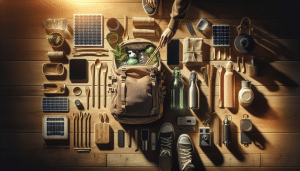
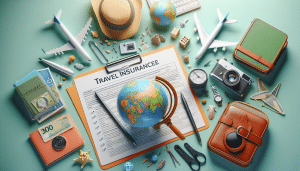
Light packing is liberating, especially for solo journeys. A single versatile bag makes moving between accommodations and navigating transit stress-free. Packing cubes, multi-use clothing, and compact electronics save space without sacrificing comfort. List essentials based on the trip’s season, region, and planned activities. It’s smart to keep a digital backup of documents and to invest in travel insurance that covers both healthcare and personal items (https://www.usa.gov/travel-abroad). Seasoned travelers stress the importance of comfortable shoes, a reliable charger, and a water bottle—small conveniences that make every day easier.
Money management is a top priority. Spreading funds over multiple forms—such as cards, cash, and digital wallets—means independence even if one method falters. It’s best to use travel-friendly credit cards that reduce foreign transaction fees or offer mobile payments. Setting daily budgets, tracking spending with apps, and researching the local cost of living helps solo travelers understand where to splurge and where to stretch funds. Many recommend keeping a small ‘emergency cash’ stash in a separate spot to cover unexpected needs. Wise planning lets spontaneity flourish within a secure framework.
Health and wellness on the road matter, too. Carrying a compact first aid kit, hydration tablets, and any personal medication is critical. Understanding how local healthcare works—even just the basics—offers peace of mind, especially in remote areas (https://wwwnc.cdc.gov/travel). Planning for downtime, rest, and nutritious meals ensures energy stays high for the adventures ahead. Self-care is a travel skill as valuable as navigation or packing, and solo travel is the perfect opportunity to cultivate it.
The Lasting Rewards of Going It Alone
Solo travel’s rewards outlast the journey itself. Navigating new cultures and overcoming challenges alone can be transformative, instilling self-reliance and perspective. Travelers often feel a newfound clarity, having stepped out of their comfort zones and accomplished feats they once doubted. These experiences generate well-earned pride and spark curiosity about future destinations. Many return home feeling more empowered, adaptable, and ready to confront daily life with renewed vigor.
The stories gathered along the way enrich personal narratives. Whether finding tranquility on a remote trail, discovering a hidden café, or forming a fleeting yet sincere friendship on a long bus ride, the memories extend beyond Instagram posts or souvenirs. These moments become potent reminders of the world’s diversity and the bonds that connect people. Over time, solo travelers develop sharper intuition and a steadily growing sense of joy in their ability to create meaningful adventures anywhere.
Solo travel also shifts how travelers perceive risk and reward. Stepping into the unknown cultivates courage and openness. There’s a quiet satisfaction in getting lost and finding one’s way again. Ultimately, solo travel is not about isolation, but about self-discovery, growth, and participation in a world much grander—and friendlier—than many expect. It’s an invitation to curiosity that rarely fades.
References
1. U.S. Department of State. (n.d.). Traveler’s Checklist. Retrieved from https://travel.state.gov/content/travel.html
2. Centers for Disease Control and Prevention. (n.d.). Traveler’s Health. Retrieved from https://wwwnc.cdc.gov/travel
3. USA.gov. (n.d.). Travel Abroad. Retrieved from https://www.usa.gov/travel-abroad
4. Lonely Planet. (n.d.). Travel Solo. Retrieved from https://www.lonelyplanet.com/articles/traveling-solo
5. National Park Service. (n.d.). Safety Tips for Solo Hikers. Retrieved from https://www.nps.gov/articles/solo-hiking.htm
6. Rick Steves Europe. (n.d.). Tips for Traveling Alone. Retrieved from https://www.ricksteves.com/travel-tips/trip-planning/solo-travel

 5G Phones and You Seeing the Future of Smart Devices