Smart Home Devices That Simplify Daily Tasks
Noah Bennett September 30, 2025
In 2025, smart technology has moved far beyond controlling lights or adjusting thermostats. Today’s smart home devices that simplify daily tasks are powered by artificial intelligence, predictive analytics, and seamless integration, transforming how people manage everything from cooking to cleaning to energy use. For busy professionals, families, and even older adults, these tools provide convenience, efficiency, and peace of mind in daily life.
This article explores the latest trends in smart home technology, the science behind their growing popularity, and practical ways people are using them to simplify everyday routines.
Why Smart Home Devices Are Becoming Essential
Smart home adoption has surged worldwide. According to a 2024 Statista report, more than 375 million households now use at least one smart home device, with projections showing continued growth through 2030. The pandemic accelerated the shift toward home-centered living, and now rising interest in energy efficiency, security, and convenience fuels demand.
People want homes that anticipate their needs and reduce the number of micro-decisions they face daily. From saving time in the kitchen to ensuring the front door locks automatically, smart home devices that simplify daily tasks are no longer a luxury — they are quickly becoming a standard feature of modern living.
The Emerging Trends in Smart Home Devices That Simplify Daily Tasks
1. AI-Powered Virtual Assistants
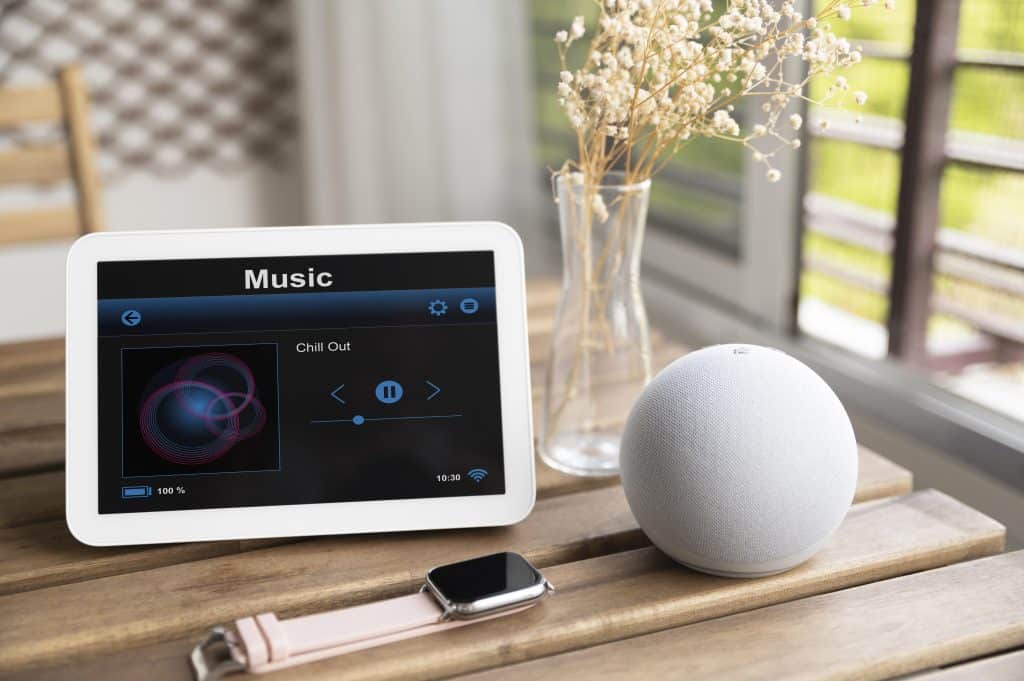
Virtual assistants like Alexa, Google Assistant, and Siri are evolving into proactive household managers. Instead of waiting for commands, they anticipate user needs. For example, they can remind you of upcoming appointments, adjust lighting to support circadian rhythms, or automatically reorder groceries when supplies run low.
This evolution reflects a broader trend: shifting from reactive to predictive assistance. According to a PwC consumer study, 60 percent of users say they want their smart assistants to handle daily tasks autonomously rather than requiring constant input.
2. Smart Kitchens and Automated Cooking
Cooking has become one of the most transformed aspects of home life. Smart ovens can now identify the type of food placed inside and adjust cooking times automatically. Refrigerators monitor expiration dates and suggest recipes based on available ingredients.
A growing number of households are adopting connected coffee makers, air fryers, and even robotic kitchen assistants. These tools don’t just save time — they help reduce food waste by guiding users toward smarter shopping and meal planning. In fact, a report by the Food Marketing Institute indicates that households with smart kitchen devices waste 25 percent less food compared to traditional households.
3. Robotic Cleaning Beyond Vacuums
Robotic vacuums were the first wave of automated cleaning, but today’s robots go much further. Advanced models mop floors, clean windows, and even disinfect surfaces using UV light. Some are integrated with home security systems, doubling as mobile surveillance units when the family is away.
These innovations directly address one of the most time-consuming domestic tasks, making it easier for families to maintain a clean environment without constant manual effort.
4. Smart Health and Wellness Devices
The rise of health-focused technology in homes has been striking. Smart beds now track sleep cycles and automatically adjust firmness to improve rest quality. Air purifiers connect with sensors to detect pollutants and allergens, activating automatically when levels rise. Even bathroom mirrors have become interactive, displaying daily health insights such as hydration levels, skin condition, and posture reminders.
These devices reflect the growing demand for homes that actively support wellness, not just convenience. A Deloitte survey found that nearly 65 percent of consumers rank health-focused smart home devices as a priority purchase in 2025.
5. Energy Management and Sustainability
As energy costs rise, devices that help monitor and reduce consumption are surging in popularity. Smart thermostats like Nest and Ecobee use AI to learn household patterns, adjusting heating and cooling for maximum efficiency. Smart plugs and outlets give users real-time data on electricity consumption, allowing them to pinpoint energy-heavy appliances.
With governments offering incentives for energy-efficient homes, these devices not only simplify management but also cut costs and reduce environmental impact. The International Energy Agency reports that smart home energy systems can reduce household energy consumption by up to 20 percent annually.
6. Home Security with Predictive AI
Smart locks, doorbell cameras, and motion sensors have become standard, but the newest devices take things further. Predictive AI now identifies unusual patterns — such as repeated visits from unknown individuals — and sends alerts before a potential issue arises.
These systems also integrate with smart lighting, turning on at strategic times to deter intruders. For families, this adds a critical layer of peace of mind, ensuring safety is handled with minimal daily oversight.
How Smart Home Devices Simplify Daily Life: A Practical Guide
Smart technology works best when used consistently and strategically. Here are practical ways households can use smart home devices that simplify daily tasks:
- Start with everyday routines: Use voice assistants to automate morning tasks like turning on lights, adjusting room temperature, and brewing coffee.
- Automate cleaning: Program robotic vacuums and mops to run while you’re at work or asleep. This keeps spaces tidy without manual effort.
- Streamline grocery management: Smart fridges track food inventory, while assistants create shopping lists and place orders automatically.
- Enhance productivity: Use smart lighting that shifts color temperature to support focus during work hours and relaxation in the evening.
- Secure your home seamlessly: Set smart locks to auto-lock when you leave and integrate cameras with phone alerts for real-time monitoring.
- Support wellness: Rely on smart beds, air purifiers, and mirrors for health insights that integrate seamlessly into daily routines.
- Save energy: Program thermostats and plugs to optimize usage, cutting bills without requiring constant manual adjustments.
These steps demonstrate how layering different devices can create a fully integrated ecosystem that reduces decision fatigue and saves time.
Example: A Day in a Smart Home
Imagine a working parent in 2025 using smart home devices that simplify daily tasks. The day begins with blinds opening automatically at sunrise, lights adjusting to energizing tones, and coffee brewed on schedule. A voice assistant provides a summary of meetings and weather.
During the day, a robotic vacuum cleans the floors while the smart fridge orders missing ingredients for dinner. The smart thermostat reduces cooling when sensors detect the house is empty. In the evening, smart lighting shifts to warmer tones, creating a relaxed atmosphere for family time. When bedtime arrives, the smart bed tracks sleep quality and makes subtle adjustments for comfort.
This seamless experience illustrates the growing appeal of smart homes — they handle routine decisions so people can focus on higher-value activities.
Challenges and Considerations
While smart home devices are highly appealing, they also raise challenges:
- Privacy concerns: Devices constantly collecting data may pose security risks if not properly protected.
- Compatibility issues: With so many manufacturers, ensuring seamless integration can be difficult.
- Cost barriers: Advanced systems often require significant upfront investment, though long-term savings may offset this.
- Overreliance on automation: Users must balance convenience with maintaining awareness of how systems operate.
Addressing these concerns requires transparency from manufacturers, better data protections, and increased adoption of open standards for device compatibility.
The Future of Smart Homes
Looking ahead, several trends will define the next wave of smart home devices that simplify daily tasks. Integration across platforms will become seamless, eliminating the need for multiple apps. AI will move from reactive to anticipatory, learning not just routines but emotional cues to create personalized environments. Sustainability will remain central, with devices designed to optimize energy use, reduce waste, and extend product life cycles.
We may also see greater accessibility in design, with devices tailored to aging populations and individuals with disabilities. This will make smart homes not just convenient, but inclusive and essential to maintaining independence.
Conclusion
In 2025, smart home devices that simplify daily tasks represent one of the most significant lifestyle shifts of the decade. From AI-powered assistants and robotic cleaning to health-focused devices and predictive energy systems, these tools transform how households function.
They save time, cut costs, and enhance security and wellness while reducing the number of small, repetitive decisions people make every day. While challenges like privacy and cost remain, the trajectory is clear: intelligent, interconnected homes are redefining daily life, making it simpler, healthier, and more efficient.
For anyone seeking a balance between convenience and responsibility, adopting these devices offers a clear path toward smarter living.
References
- Discover how smart home devices in 2025 use AI and automation, https://www.futuredatastats.com
- trending 2025 ai home technology, https://www.accio.com
- Smart Home Statistics 2025 By Technology, Features, Security, https://scoop.market.us

 Travel Destinations That Inspire Adventure