Smart Home Devices That Enhance Daily Efficiency
Noah Bennett September 24, 2025
The modern household is rapidly evolving. With the rise of connected living, people are increasingly relying on smart home devices that enhance daily efficiency to save time, reduce energy waste, and simplify everyday routines. In 2025, this trend has reached new heights, driven by advances in artificial intelligence, automation, and the Internet of Things (IoT). Smart homes are no longer about luxury gadgets; they are practical solutions that help individuals and families manage busy lifestyles with greater ease. From voice-activated assistants to intelligent appliances, these devices are designed to integrate seamlessly into daily life, making them one of the fastest-growing consumer tech categories.
Why Efficiency Matters in Smart Homes
Time is one of our most valuable resources. The average person spends hours each week managing household tasks, from adjusting thermostats to cooking meals. Smart home devices are built to cut down on repetitive chores, provide real-time insights, and improve comfort. According to Statista, the global smart home market is projected to surpass 230 billion by 2028, highlighting strong consumer demand for solutions that simplify life. Moreover, these devices often deliver cost savings by optimizing energy use, reducing waste, and extending the lifespan of household systems. Efficiency, therefore, is not just about convenience—it is about sustainability and long-term value.
Key Emerging Trends in Smart Home Devices That Enhance Daily Efficiency
1. AI-Powered Voice Assistants
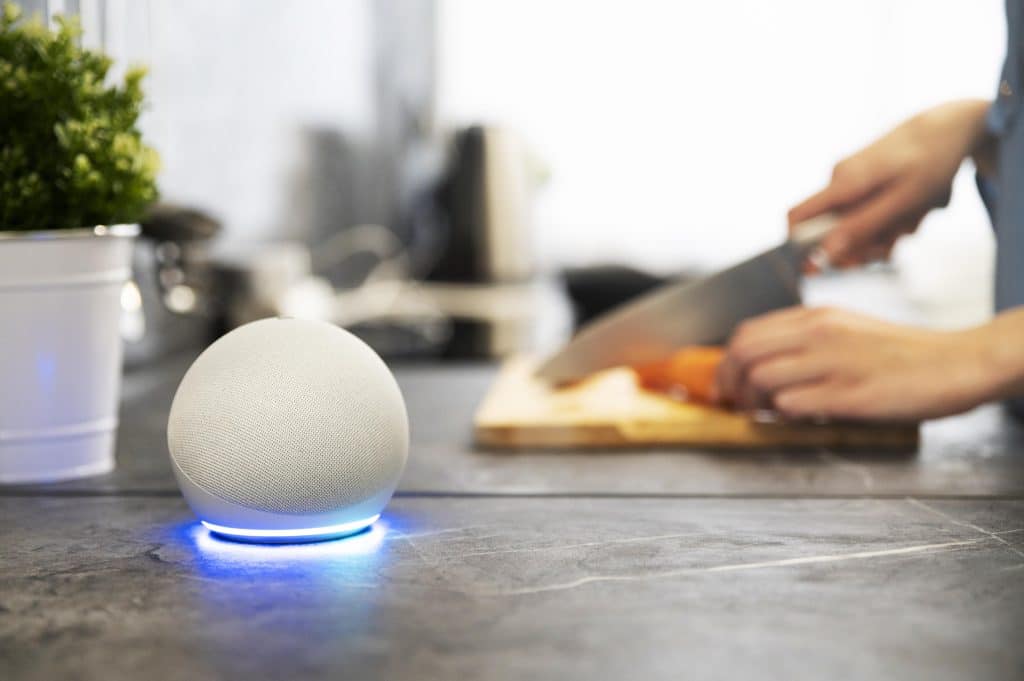
Voice assistants have become the central hub of many smart homes. Tools like Amazon Alexa, Google Assistant, and Apple’s Siri have evolved beyond simple commands. In 2025, they use AI-driven personalization to anticipate needs, manage schedules, and control multiple devices with a single instruction. For example, a morning routine might include adjusting the thermostat, brewing coffee, and reading out the day’s agenda—all triggered by a single voice prompt. These assistants enhance efficiency by reducing the number of manual tasks required throughout the day.
2. Energy-Saving Smart Thermostats
Energy efficiency remains one of the strongest drivers of smart home adoption. Smart thermostats such as Google Nest and Ecobee learn user habits and automatically adjust settings for comfort and savings. A 2024 report from the U.S. Department of Energy noted that smart thermostats can reduce heating and cooling bills by up to 10%. By analyzing occupancy patterns and weather data, these devices ensure that energy is used only when needed, promoting both financial and environmental benefits.
3. Smart Lighting Systems
Lighting is another area where automation improves efficiency. Smart bulbs and systems like Philips Hue or LIFX allow users to schedule lights, adjust brightness, or change colors to match activities. Motion sensors and AI integration mean lights switch off automatically in unoccupied rooms. This reduces energy waste while adding convenience. Furthermore, lighting systems can be tied to circadian rhythms, supporting better sleep and productivity by adjusting color temperatures throughout the day.
4. Kitchen Automation and Smart Appliances
The kitchen has seen some of the most exciting innovations in 2025. Smart refrigerators track expiration dates and suggest recipes based on available ingredients, while connected ovens allow remote control and voice-activated operation. Devices like Instant Pot’s Wi-Fi-enabled pressure cookers streamline cooking, making meal preparation faster and more efficient. These tools not only save time but also reduce food waste, aligning with broader sustainability goals.
5. Robotic Cleaners and Maintenance Devices
Robotic vacuums, mops, and lawn mowers have become household staples. In 2025, they are smarter than ever, using AI-powered mapping to navigate efficiently and avoid obstacles. Some models now integrate with home security systems, doubling as surveillance devices while cleaning. Automated maintenance devices, such as smart leak detectors, add another layer of efficiency by alerting homeowners to potential problems before they become costly repairs.
6. Smart Security Systems
Security has always been a priority, but smart technology makes it easier and more efficient. Video doorbells, connected cameras, and smart locks provide real-time monitoring from mobile devices. With AI, these systems can distinguish between familiar faces and strangers, reducing false alerts. According to Parks Associates, 35% of U.S. households with broadband now own at least one smart home security device. Efficiency here means peace of mind, faster response times, and better integration with emergency services.
7. Home Office Integration
With remote and hybrid work becoming the norm, smart home devices that enhance daily efficiency are increasingly focused on productivity. Adjustable smart desks, noise-canceling smart panels, and lighting optimized for focus are gaining popularity. Smart speakers and displays also integrate with video conferencing platforms, streamlining virtual meetings. These tools reduce friction in daily workflows and create environments more conducive to concentration and creativity.
8. Health and Wellness Devices
Wellness has become a priority in smart home ecosystems. Air purifiers with real-time quality monitoring, water filtration systems with usage alerts, and smart mattresses that track sleep patterns all contribute to daily efficiency by optimizing health. For example, smart sleep systems can adjust mattress firmness, room temperature, and lighting to improve rest quality, ensuring better focus and productivity during the day.
Practical Guide: How to Use Smart Home Devices for Daily Efficiency
Adopting smart home devices can feel overwhelming, but small steps create big impact. Here are some practical ways to integrate them effectively:
- Start with a central hub – Choose a voice assistant that fits your ecosystem and connect compatible devices.
- Automate routines – Set up morning and evening sequences that adjust lights, thermostats, and appliances automatically.
- Prioritize energy savings – Install smart thermostats and lighting to reduce utility bills and environmental impact.
- Upgrade the kitchen – Use connected appliances to streamline cooking, meal planning, and food storage.
- Delegate cleaning – Invest in robotic vacuums and mops to save hours each week on household chores.
- Enhance security – Add smart locks and doorbell cameras for both safety and convenience.
- Focus on wellness – Use smart health devices to monitor sleep, air quality, and hydration.
- Integrate work tools – Create a smart office setup to improve productivity and reduce distractions.
Challenges and Considerations
While smart home devices provide major benefits, challenges remain. Cost is a significant barrier, as high-quality devices can be expensive. Privacy is another concern, with data from connected devices often stored in the cloud. Consumers must weigh the convenience of automation against potential security risks. In addition, interoperability can be frustrating when devices from different brands do not communicate smoothly. Industry standards like Matter, launched in 2023, are helping to address these issues by improving cross-device compatibility.
The Future of Smart Home Efficiency
Looking ahead, the future of smart home technology lies in greater integration and personalization. Advances in artificial intelligence will enable devices to anticipate user needs with minimal input. For example, homes may adjust environments based on biometric data, automatically creating the ideal temperature, lighting, and soundscape for specific tasks. Sustainability will also remain central, with more devices focused on reducing carbon footprints. By 2030, fully automated homes that self-manage energy, security, and wellness may become a reality for many households.
Conclusion
In 2025, smart home devices that enhance daily efficiency are no longer futuristic concepts—they are everyday tools that save time, reduce costs, and support healthier living. From AI-powered assistants and smart thermostats to robotic cleaners and integrated wellness systems, these devices reshape how we manage our homes. While challenges such as privacy and cost remain, the benefits are driving widespread adoption. By choosing devices strategically and setting up efficient routines, households can transform daily life into a smoother, smarter, and more sustainable experience.
References
- ENERGY STAR Smart Thermostats FAQs for EEPS, https://www.energystar.gov
- Here’s What the ‘Matter’ Smart Home Standard Is All About, https://www.wired.com
- Benchmarking Smart Thermostats, https://www.energy.gov

 Travel Experiences That Promote Cultural Awareness