Innovative Marketing Strategies for Small Businesses
Marcus Taylor September 17, 2025
Small businesses are the backbone of the economy, and in 2025, the marketing landscape is evolving faster than ever. From new tools and platforms to changes in consumer behavior, the way businesses reach their customers is continuously shifting. But with limited resources, how can small businesses stand out in an increasingly crowded market? The answer lies in innovative marketing strategies for small businesses that focus on creativity, technology, and personalization.
In this article, we’ll explore some of the most effective strategies that small businesses can use to stay competitive, boost brand awareness, and increase sales. These marketing trends are not just about staying up to date—they’re about setting the stage for long-term growth and success.
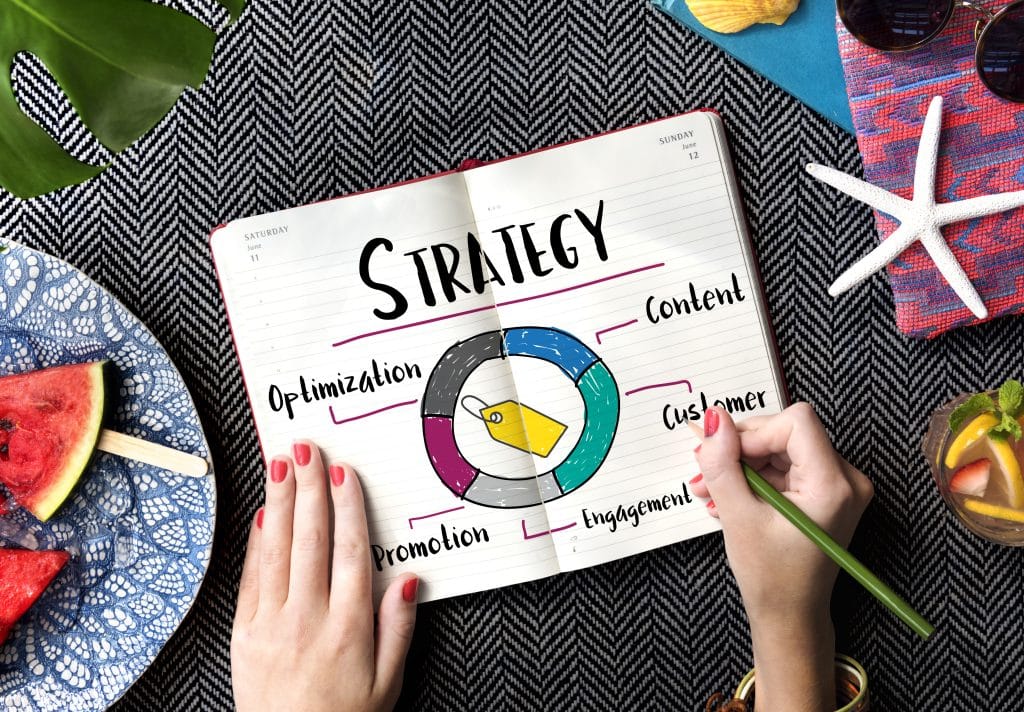
Why Innovation in Marketing is Crucial for Small Businesses
In a world where big corporations dominate marketing budgets, small businesses need to be creative to stand out. While larger companies often have the financial resources to outspend their competition, small businesses can leverage their agility, innovation, and direct customer relationships to their advantage.
The key to success is adopting marketing strategies that are not only cost-effective but also capable of creating strong, meaningful connections with customers. By embracing new tools, focusing on personalized experiences, and creating unique content, small businesses can compete and even thrive in a saturated market.
Key Trends in Marketing for Small Businesses
1. Data-Driven Decision Making
In 2025, data-driven marketing has become a crucial tool for small businesses to make smarter decisions. With access to detailed analytics, businesses can now understand their customers better than ever before. Whether through social media insights, website analytics, or customer feedback surveys, data provides valuable insights into customer preferences, behaviors, and buying patterns.
For small businesses, the power of data lies in its ability to target the right audience, craft personalized marketing messages, and measure the impact of campaigns in real-time. Tools like Google Analytics, Facebook Insights, and CRM systems make it easier for small businesses to track performance and adjust strategies accordingly.
Tip for small businesses: Use analytics tools to segment your audience based on demographics, interests, or behavior. Personalizing your marketing based on this data will increase engagement and conversion rates.
2. Hyper-Personalization Through AI and Automation
In 2025, hyper-personalization has become a game-changer for small businesses. Consumers expect more personalized experiences, whether it’s receiving tailored product recommendations or experiencing content that resonates with their specific needs. With the help of artificial intelligence (AI) and automation, small businesses can create these personalized experiences at scale.
AI tools can analyze consumer data to predict what products or services they might be interested in, allowing businesses to send targeted emails, ads, or even personalized web content. Automation tools, like Mailchimp for email marketing or Hootsuite for social media management, enable businesses to send the right message to the right person at the right time.
Tip for small businesses: Start using automated marketing campaigns that send personalized offers based on user behavior, such as abandoned cart emails or product recommendations based on past purchases.
3. Leveraging Social Media for Authentic Connections
Social media has always been an essential marketing tool for small businesses, but in 2025, it’s evolving into a more interactive and community-focused space. Today’s consumers value authenticity over polished advertisements, and businesses that show up on social media as real, relatable brands are more likely to gain consumer trust and loyalty.
Social platforms like Instagram, TikTok, and YouTube are providing opportunities for small businesses to showcase their personality, behind-the-scenes operations, and engage in meaningful conversations with their audience. User-generated content (UGC) and influencer partnerships are also becoming vital components of social media strategies.
Tip for small businesses: Encourage customers to share their experiences with your brand by reposting UGC on your social media. Build relationships with influencers who align with your brand values and have a genuine connection to your products.
4. Video Marketing and Live Streaming
Video marketing has become one of the most powerful tools for small businesses in 2025. With the rise of platforms like TikTok, Instagram Stories, and YouTube Shorts, short-form videos are driving engagement and sales like never before. Live streaming, in particular, is a trend that small businesses are leveraging to create real-time, authentic interactions with their audience.
From product demonstrations and behind-the-scenes looks to live Q&A sessions and virtual events, small businesses are using video to showcase their brand and connect with consumers on a deeper level. According to a report by Wyzowl, 84% of people say they’ve been convinced to buy a product or service after watching a brand’s video.
Tip for small businesses: Create engaging, short videos that highlight your products or services in action. Use live streaming on platforms like Instagram Live or Facebook Live to host product launches, answer customer questions, or give a behind-the-scenes look at your business.
5. Influencer and Micro-Influencer Partnerships
Influencer marketing is no longer reserved for global brands with large budgets. Small businesses are increasingly turning to micro-influencers to promote their products in an authentic, cost-effective way. Micro-influencers typically have smaller, more niche followings, but their audiences are highly engaged and often trust their opinions more than traditional advertisements.
By partnering with influencers who align with your brand values, you can reach highly targeted audiences and build credibility. The key is finding influencers whose followers match your target demographic, making the partnership feel natural and genuine.
Tip for small businesses: Identify micro-influencers in your industry or niche and reach out to them for collaborations. Offering a free product or exclusive discount codes is a good starting point.
6. Sustainability and Social Responsibility Marketing
In 2025, consumers are more socially conscious than ever before. Small businesses are recognizing the power of sustainability and social responsibility marketing, where brands align their mission with causes that resonate with their target audience. Whether it’s supporting environmental initiatives, fair trade practices, or charitable causes, businesses that show a commitment to social good tend to attract loyal customers who value ethical behavior.
Promoting your business’s sustainability efforts doesn’t just help the planet—it also helps your bottom line. A study by Nielsen found that 73% of global consumers are willing to pay more for sustainable products.
Tip for small businesses: Highlight your sustainability efforts on your website, social media, and in your marketing campaigns. Whether it’s using eco-friendly packaging or supporting local charities, make sure your customers know what you’re doing to make a positive impact.
How to Implement These Marketing Strategies
For small businesses looking to implement these strategies, it’s important to stay focused and start small. Here are some actionable steps to get started:
- Leverage Data: Start tracking customer behaviors through analytics tools. Use this data to make informed decisions about your marketing campaigns.
- Embrace AI and Automation: Implement AI-powered tools for email personalization, chatbots for customer service, and automation for routine marketing tasks.
- Get Social: Build a strong presence on social media by engaging with followers, using hashtags, and sharing user-generated content.
- Create Videos: Start making short, engaging videos for your social media and website. Use live streaming to interact with your audience in real-time.
- Partner with Micro-Influencers: Reach out to micro-influencers who share your brand’s values and have an engaged, niche audience.
- Promote Sustainability: If your business has sustainable practices, be sure to showcase them in your marketing. Align your brand with social causes to connect with consumers on a deeper level.
Conclusion
In 2025, the best practices for marketing small businesses are all about embracing innovation, personalization, and authenticity. By focusing on data-driven strategies, leveraging new technologies, and building genuine connections with customers, small businesses can stand out in a competitive marketplace. These marketing trends—ranging from video marketing to influencer partnerships and sustainability—offer exciting opportunities for growth and success.
By implementing these strategies, small businesses can not only increase brand awareness but also build long-term relationships with their customers. In a rapidly evolving world, innovation is key to staying ahead, and small businesses are perfectly positioned to adapt quickly and creatively to new challenges.
References
- Top 2025 Small Business Digital Marketing Strategies for Growth, https://blog.brandsatplayllc.com
- Small Business Marketing Trends You Can’t Ignore, https://marketing.sfgate.com
- Top 11 Small Business Marketing Strategies in 2025, https://ciderhouse.media

 Secrets to Reviving Your Lawn After Drought