Discover Innovative Skincare Trends Shaping You
Sophia Clarke November 1, 2025
Step inside the world of modern skincare, where science blends with nature for effective routines. This guide uncovers the latest innovative skincare trends and how real people weave these advances into daily beauty practices for radiant results.
Understanding the Science Behind Skincare Innovation
The last decade has brought tremendous advancements in skincare science. From plant-based actives to peptide technology, skincare routines now focus on nourishing skin deeply. Dermatologists emphasize that evidence-based products can address aging, irritation, and environmental stressors. Incorporating products with clinically researched ingredients such as niacinamide or retinol can support skin’s barrier and improve texture (Source: https://www.aad.org/public/everyday-care/skin-care-basics/care). Staying informed about ingredient innovations allows consumers to choose options that align with their skin’s unique needs.
More people turn to gentle exfoliants, antioxidants, and multi-peptide creams than ever before. Unlike harsh scrubs of the past, today’s formulas use milder acids and enzymes, reducing irritation while promoting glow. Interest in cruelty-free, vegan ingredients has also surged, reflecting broader wellness values in beauty. Many new formulas blend natural elements like green tea extract with advanced actives for comprehensive, balanced skin support.
Skincare is also becoming increasingly personalized. Online quizzes and digital consultations help users understand skin type before building a routine. Advances in machine learning have led to products tailored for specific concerns—from hyperpigmentation to oil control. Whether it’s barrier repair or hydration, knowledge empowers individuals to select high-impact items. Curiosity and research drive smarter skin choices today.
Clean Beauty and Ingredient Transparency
The clean beauty movement centers on transparency and safety. Buyers now scrutinize ingredient lists, avoiding harsh chemicals in favor of nourishing botanicals and biodegradable packaging. Terms like “clean” and “green” may not be legally defined, so reputable sources like the Environmental Working Group (EWG) or the Food and Drug Administration offer guidance on evaluating products (Source: https://www.ewg.org/skindeep/). Ingredient-conscious routines prioritize skin wellness and environmental health, increasing demand for responsibly sourced materials.
Eco-friendly skincare extends beyond formulas. Minimalist packaging, refillable containers, and responsible supply chains have become major trends. Brands spotlight their sustainability efforts, such as reducing excess waste and supporting ethical labor practices. Consumers are keen to align skincare choices with broader ecological and social concerns, reflecting a new era of beauty.
Ingredient research plays a substantial role in product selections. Sites like EWG’s Skin Deep help decode complex labels and highlight possible irritants. As people become more educated, they are empowered to ask questions and seek out third-party certifications, fostering a marketplace built on trust and safety. Choosing clean beauty is not a fad; it’s a shift towards lifelong health and conscious consumption.
Personalized Skincare: DNA, AI, and Custom Formulations
Personalized skincare uses individual data to deliver targeted benefits. Innovations like DNA testing and artificial intelligence (AI) inform product recommendations based on genetics, lifestyle, and climate. These advancements provide a deeper understanding of skin health. Some companies offer at-home DNA tests, creating tailored serums and creams matched to personal genetic markers (Source: https://www.ncbi.nlm.nih.gov/pmc/articles/PMC6463131/).
AI-powered skin analysis is becoming part of many brands’ offerings. Users upload photos, answer questions, and receive regimen suggestions calibrated to real-time changes—like seasonal shifts or new stressors. This high-tech approach removes much of the guesswork in selecting skincare. It’s especially helpful for those with sensitive or complex skin needs.
While genetic testing and algorithm-based recommendations are new, the drive for individualized care is age-old. People value products that reflect personal identity and needs. The rise of custom-blended moisturizers, cleansers, and serums stems from technological breakthroughs that help deliver optimal outcomes, making skincare genuinely unique for each person.
Emerging Actives: From Probiotics to Bakuchiol
Ingredient innovation remains at the core of breakthrough skincare. Probiotics, for example, have been shown to foster a balanced skin microbiome, helping reduce redness and boost resilience. People also turn to bakuchiol as a gentler, plant-derived alternative to retinol. Unlike synthetic options, bakuchiol provides smoothing effects with lower risk of irritation (Source: https://www.ncbi.nlm.nih.gov/pmc/articles/PMC6586204/).
Ceramides and squalane have gained popularity for their deep hydrating ability. These lipids reinforce the skin’s barrier, preventing moisture loss while soothing sensitive or aging skin. Clinical studies confirm that formulas with ceramides can repair dryness and increase radiance over time. Choosing moisturizers rich in these actives brings effective results, particularly during harsh weather or in urban environments.
Peptides, niacinamide, and hyaluronic acid remain foundational. Some brands merge traditional plant wisdom—think centella asiatica or licorice root—with new molecules. This blend makes for adaptable options that work in harmony for diverse needs. Brands that spotlight emerging actives often back up claims with scientific references, helping users make informed decisions for vibrant, lasting skin health.
Beauty From Within: Nutrition and Lifestyle’s Role
Healthy skin reflects more than a good cream. Nutrition and lifestyle have a profound impact on skin’s clarity and glow. Nutritional science points to the power of antioxidants, vitamins C and E, and omega fatty acids for maintaining elasticity and reducing fine lines (Source: https://www.hsph.harvard.edu/nutritionsource/vitamins/vitamin-e/). A balanced diet rich in colorful vegetables, lean protein, and hydration provides internal support for the skin’s renewal cycle.
Beyond what’s on the plate, exercise and stress management play vital roles in beauty routines. Regular physical activity boosts circulation, improving nutrient delivery to skin cells. Meanwhile, mindfulness-based stress reduction practices, such as meditation or yoga, help prevent breakouts and dullness that often arise from chronic stress. Integrating these wellness habits is a popular trend among beauty enthusiasts seeking radiant results from the inside out.
Supplements targeting skin health have entered the mainstream. Collagen peptides, biotin blends, and antioxidant capsules are now widely available. Many individuals explore these as complements to a well-rounded diet, but it’s vital to consult credible research and healthcare advisors for safety and efficacy. The connection between wellness and beauty grows clearer each season.
Embracing Tech: Devices and At-Home Treatments
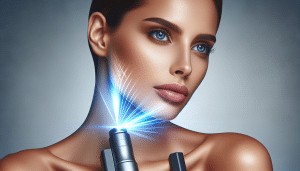
Beauty technology reshapes at-home routines. Devices such as LED masks, microcurrent tools, and sonic cleansers offer spa-like experiences without a trip to the clinic. Light-emitting diodes (LED) are particularly popular for their non-invasive ability to reduce redness or support collagen production (Source: https://www.mayoclinic.org/healthy-lifestyle/adult-health/expert-answers/red-light-therapy/faq-20057954). Consistent use can amplify the effects of topical skincare.
Microcurrent gadgets promise firmer, more sculpted features through gentle electrical stimulation. These devices help optimize absorption of serums and creams, working synergistically with modern formulations. Many users describe visible improvements after several weeks of proper use. Instructional guides and clinical research back up many of these claims, adding credibility to the trend.
Smart mirrors and skin scanners now analyze texture and tone in real-time, suggesting products or practices for support. This digital feedback helps users refine routines and set realistic expectations. The future of beauty fuses hands-on self-care with remote expertise, making advanced results widely accessible for all.
References
1. American Academy of Dermatology Association. (n.d.). Skin care: Tips for healthy skin. Retrieved from https://www.aad.org/public/everyday-care/skin-care-basics/care
2. Environmental Working Group. (n.d.). Skin Deep Cosmetics Database. Retrieved from https://www.ewg.org/skindeep/
3. Jovic, A., et al. (2019). The future of personalized skincare: Integration of genomics and artificial intelligence. Retrieved from https://www.ncbi.nlm.nih.gov/pmc/articles/PMC6463131/
4. Chaudhuri, R.K., & Bojanowski, K. (2019). Bakuchiol: A retinol-like functional compound. Retrieved from https://www.ncbi.nlm.nih.gov/pmc/articles/PMC6586204/
5. Harvard T.H. Chan School of Public Health. (n.d.). Vitamin E. Retrieved from https://www.hsph.harvard.edu/nutritionsource/vitamins/vitamin-e/
6. Mayo Clinic. (n.d.). Red light therapy: Does it work? Retrieved from https://www.mayoclinic.org/healthy-lifestyle/adult-health/expert-answers/red-light-therapy/faq-20057954

 You Won’t Believe What AI Generated Media Can Do