Discover How Solo Travel Could Change You
Daniel Hughes September 27, 2025
Curious about the rewards and challenges solo travel brings? This guide explores why so many travelers choose to journey alone, how to plan memorable trips for one, practical safety tips, and how it can transform your perspective on the world—and yourself. Explore essential insights for an empowering solo adventure.
Why Solo Travel Captivates Modern Explorers
Solo travel is a growing trend among those seeking independence and adventure. More people are choosing to travel alone for the freedom it offers. No fixed schedules. No debate over destinations or daily plans. This kind of trip grants full control and lets travelers truly follow their own interests and pace. Many enthusiasts report that solo journeys have helped them gain greater confidence and resourcefulness, while also appreciating small moments that are often lost in group trips. Exploring alone means deciding exactly how each day unfolds, from sunrise walks to spontaneous cafe stops. The ability to take your time, or be spontaneous with every experience, is a top draw for solo travel fans.
Another major appeal lies in self-discovery. When traveling without familiar company, many people find that they confront personal boundaries and uncover strengths they never knew existed. Navigating around unfamiliar cities, communicating across language barriers, and solving small problems solo can be empowering. These challenges encourage personal growth and often inspire a deeper sense of accomplishment. Research suggests that solo travel can have a positive impact on self-esteem and life satisfaction (https://www.psychologytoday.com/us/blog/the-new-grief/201910/why-solo-travel-makes-you-happy).
For some, traveling solo is about escaping routine or even healing from stress. Without outside obligations, there’s space to rest, reflect, or change course as desired. The absence of social expectations creates opportunities to connect more deeply with destinations and strangers, opening doors to new friendships or cherished memories. This quality time alone, coupled with the excitement of new places, often results in journeys that feel more vivid and memorable. These experiences can spark creativity and provide a fresh sense of purpose long after returning home.
Planning the Perfect Solo Adventure
Mapping out a solo trip requires thoughtful planning to maximize enjoyment and security. Researching destinations thoroughly—including cultural norms, transportation options, and local attractions—helps prevent confusion or disappointment. Many solo travelers suggest creating an adaptable itinerary rather than rigid fixed schedules. This tactic retains the flexibility to embrace spontaneous opportunities while ensuring important sights and logistics, like accommodation, are secure. Budgeting can also be easier when planning independently, since there’s just one set of preferences and expenses to consider.
Booking lodging is one of the most significant decisions. Single-room options, hostels, guesthouses, and boutique hotels often attract solo explorers looking to meet people or enjoy peaceful privacy. Some digital platforms, such as those focusing on solo-friendly stays, let travelers filter accommodations by security features and social atmosphere. It’s wise to read reviews from other solo visitors and check location convenience for walking, transit, and local sights. Good planning here enhances safety and comfort, making the journey smoother overall (https://www.travel.state.gov/content/travel/en/international-travel/before-you-go.html).
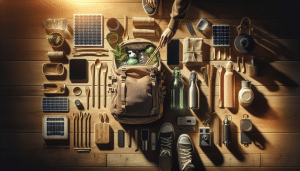
Organization extends to packing. Solo travel often means carrying your own luggage everywhere, so packing light is crucial. Essentials include versatile wardrobe pieces, a high-quality daypack, and copies of important documents. Access to digital maps and translations apps is helpful if exploring countries with different languages. For many, planning tech includes carrying a mobile power bank and offline resources. Adequate preparation before departure can smooth out unexpected bumps, leaving more time for discovery and less for anxiety.
Safety Strategies for Solo Travelers
Prioritizing safety is central to successful solo trips. First, always share itineraries with trusted individuals and maintain regular check-ins when plans change. Knowing emergency contacts, understanding health and travel insurance policies, and researching which local areas are safest to explore alone make a difference. Many solo travelers carry a photocopy of their passport, a backup card, and emergency cash in a separate bag. Some even invest in portable door locks or alarms for peace of mind at night.
Staying aware is a powerful safety tool. Simple habits—like keeping valuables secure and blending with local customs—help reduce risk. Remaining alert on public transit, avoiding deserted locations after dark, and learning basic phrases in the local language can make solo trips not only safer but also more enjoyable. Some resources recommend using transportation apps or reputable taxi services for nighttime travel. Adhering to local advice and trusting your instincts can prevent uncomfortable or unsafe situations (https://travel.gc.ca/travelling/publications/her-travel-solo).
Digital security is increasingly crucial too. Using password-protected devices, turning off unnecessary location sharing, and utilizing secure Wi-Fi networks helps prevent unwanted breaches. When using credit cards, sticking with recognized providers and keeping bank alerts enabled catches fraudulent activity early. With a few tech-savvy habits, travelers can have confidence in both physical and digital safety measures while away from home. This balance of vigilance and adventure is what allows many solo explorers to enjoy memorable, worry-free journeys across the globe.
Exploring Destinations for Solo Travelers
Certain destinations are especially welcoming for solo exploration. Vibrant cities like Tokyo, Copenhagen, and Melbourne receive praise for their safety, walkability, and abundance of social spaces. Outdoor-minded travelers may gravitate toward national parks, scenic islands, or hiking regions where organized tours can be joined on a whim. Urban and rural areas alike offer opportunities for independent exploration—each bringing unique advantages. Solo-dedicated travel blogs and forums often highlight countries known for both warm hospitality and traveler infrastructure, making it easier for newcomers to dive in.
Festivals, cultural events, and group excursions present chances to meet others while still embracing independence. Many solo visitors mention how art galleries, food markets, and local guided walks spark spontaneous conversations. Day tours, volunteer programs, and hobby-based workshops connect like-minded travelers, sometimes even leading to lifelong friendships. It’s not just about the places—it’s the potential encounters along the way that set solo travel apart. For those seeking connection, many travel websites keep updated lists of group-friendly activities always open to single signups (https://www.lonelyplanet.com/articles/solo-travel-tips).
Outdoor adventures may appeal to the more energetic. Trekking, diving, cycling, or even cooking classes let travelers sample local culture while developing new skills. The key is embracing flexibility and not being afraid to participate in communal activities. Even remote destinations can offer safe and enriching experiences for solo explorers, especially where local tour providers are seasoned in working with individuals. Whether in buzzing cities or serene countryside, solo travelers can choose the vibe and style that resonates most, building confidence with each step.
Cultural Discovery and Personal Growth on the Road
Solo journeys offer abundant opportunities for cultural immersion. Traveling alone often pushes one to interact more directly with locals, trying new foods, learning pieces of foreign languages, or understanding history through personal narratives. This firsthand discovery breaks down cultural stereotypes and nurtures empathy. For some, these candid exchanges can be the highlight of the entire trip. Cultural exposure on solo journeys goes far beyond what guidebooks offer—making it a transformative experience (https://www.nationalgeographic.com/travel/article/solo-travel-guide).
Personal growth is another core reward. Facing the unknown cultivates problem-solving skills, from re-routing after a missed train to negotiating accommodation in a second language. Many solo travelers speak of finding resilience they didn’t know they had and forming new perspectives on broader aspects of life. Encounters with diverse customs, belief systems, and global challenges often lead to a greater appreciation of difference and new priorities upon returning home. These personal lessons stay long after the passport stamps fade.
Solo travelers also report benefits for their mental well-being. The chance to reflect, recharge, and indulge in self-care—whether that means a long hike, journaling, or an afternoon at a local spa—can help reduce stress levels. Being alone in a new environment nurtures creativity. Many say it inspires future adventures, and for some, solo journeys become an ongoing lifestyle rather than a one-off experience. A flexible mindset, open heart, and willingness to try new things often prove the most valuable travel companions of all.
Solo Travel Hacks and Resources You Should Know
Today, a wealth of online communities, apps, and guides make solo travel more accessible and less daunting. Dedicated travel platforms offer tools for creating customized itineraries, booking trusted rideshares, and finding solo-friendly experiences worldwide. Digital forums like Solo Travelers Network foster support and provide real-time advice. Reading insights from other solo adventurers can inspire confidence and offer practical solutions for trip-specific questions. Advanced planning with helpful online tools takes a lot of guesswork out of solo exploration.
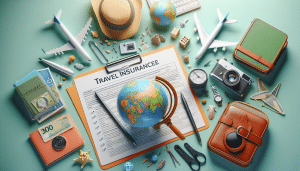
Travel insurance is another key consideration. It protects against delays, cancellations, and emergencies, offering peace of mind throughout the journey. Many providers now cater specifically to solo travelers with policies that cover unique needs, such as single occupancy accommodations or coverage for valued electronics. Learning about policy features and exclusions before departure is a good habit that prevents unwelcome surprises on the road. For tech enthusiasts, travel safety gadgets and emergency locator apps are now common in the solo traveler toolkit (https://www.smartertravel.com/solo-travel-safety-tips/).
Participating in online workshops, destination webinars, or language exchanges can all help prepare mentally for a new culture or country. Harnessing these resources allows solo explorers to leave home feeling empowered and supported. With a blend of strategic planning and spontaneous opportunity, solo travel is more accessible than ever. The only limits? Curiosity and the willingness to explore what lies beyond your comfort zone.
References
1. Thomas, K. (2019). Why Solo Travel Makes You Happy. Retrieved from https://www.psychologytoday.com/us/blog/the-new-grief/201910/why-solo-travel-makes-you-happy
2. U.S. Department of State. (n.d.). Traveler’s Checklist. Retrieved from https://www.travel.state.gov/content/travel/en/international-travel/before-you-go.html
3. Government of Canada. (n.d.). Her Own Way: A Woman’s Safe-Travel Guide. Retrieved from https://travel.gc.ca/travelling/publications/her-travel-solo
4. Lonely Planet. (n.d.). Solo Travel Tips. Retrieved from https://www.lonelyplanet.com/articles/solo-travel-tips
5. National Geographic. (n.d.). Solo Travel Guide. Retrieved from https://www.nationalgeographic.com/travel/article/solo-travel-guide
6. Smarter Travel. (n.d.). 15 Safety Tips for Solo Travelers. Retrieved from https://www.smartertravel.com/solo-travel-safety-tips/

 You Won’t Believe These Minimalist Lifestyle Secrets