Travel Destinations That Encourage Adventure
Daniel Hughes October 1, 2025
Adventure travel has been steadily gaining momentum, and in 2025, it is no longer considered a niche. More travelers are seeking destinations that not only offer breathtaking views but also push them outside their comfort zones. Travel destinations that encourage adventure provide opportunities for exploration, physical activity, and cultural immersion, making them some of the most sought-after trips of the year. With the rise of remote work and flexible lifestyles, people are not just traveling for relaxation—they are actively pursuing experiences that fuel curiosity and challenge both body and mind. This shift has created a wave of new trends that shape where and how people travel.
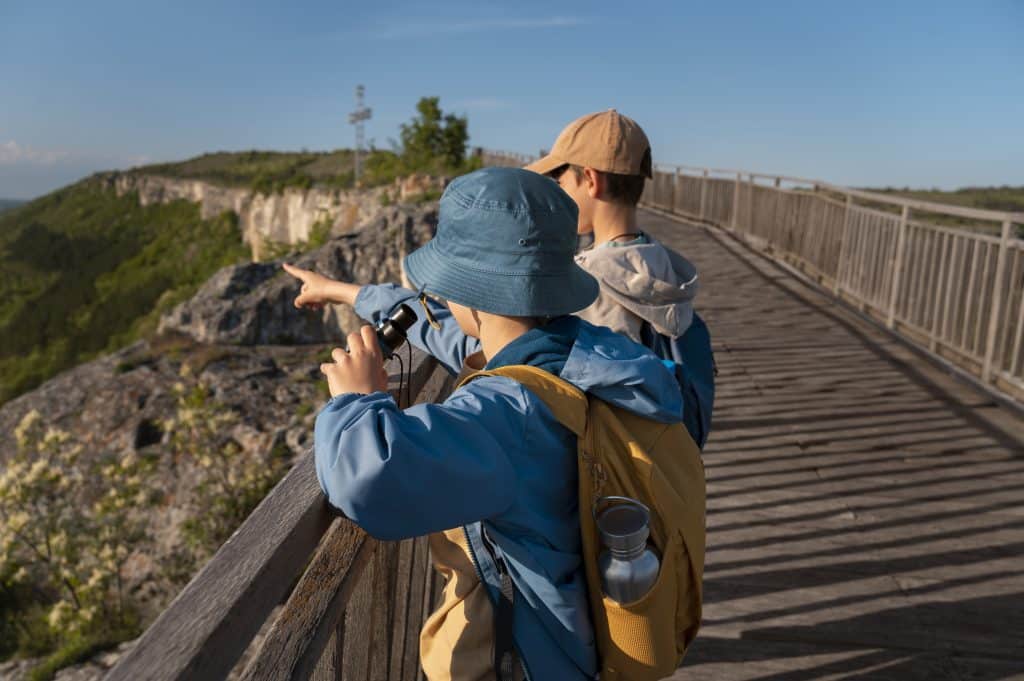
Why Adventure Travel is Growing in 2025
Several factors have contributed to the growth of adventure-focused destinations. First, there is a growing awareness of the mental and physical benefits of active travel. Studies show that experiences that involve physical movement and new environments can improve mood, reduce stress, and foster resilience. Second, social media and digital platforms have highlighted destinations once considered too remote, encouraging travelers to explore beyond traditional tourist hubs. Finally, travelers increasingly prefer authentic experiences over luxury resorts, valuing the chance to connect with nature and local communities.
These changes explain why travel destinations that encourage adventure are at the forefront of today’s travel industry. From volcano hikes to desert camping, adventure-driven tourism is shaping how people define the idea of a “rewarding trip.”
Emerging Adventure Travel Trends
In 2025, several key trends define how travelers approach adventure-focused destinations.
1. Adventure Blended with Sustainability
Eco-conscious travel is no longer optional—it is expected. Travelers are looking for ways to reduce their footprint, and many adventure-focused destinations are incorporating sustainable practices. From trekking lodges powered by renewable energy to tours led by local guides who emphasize conservation, sustainable adventure travel has become a defining feature of the industry.
2. Slow Adventure Travel
While adventure used to be associated with adrenaline and speed, a new trend emphasizes slower, more immersive exploration. Think multi-day treks, canoeing expeditions, or cycling tours where the focus is not on rushing but on deeply experiencing landscapes and cultures. This approach allows travelers to move mindfully while supporting local economies.
3. Technology-Supported Exploration
Wearable devices, advanced GPS systems, and AI-powered travel planning tools are making adventure travel safer and more accessible. Travelers can plan hikes, climbs, and scuba dives with greater precision while still enjoying the thrill of exploration. Technology is also helping reduce risks in remote destinations by improving communication and safety tracking.
Travel Destinations That Encourage Adventure in 2025
Adventure can mean different things depending on the traveler—climbing peaks, crossing deserts, or immersing oneself in cultural traditions. Here are some of the top travel destinations that encourage adventure this year:
Patagonia, Chile and Argentina
Patagonia remains one of the most iconic adventure destinations in the world. Known for its jagged peaks, massive glaciers, and rugged landscapes, this region offers everything from multi-day treks in Torres del Paine to glacier hiking and kayaking in remote fjords. Adventure travelers are drawn to Patagonia because it offers both challenge and solitude, with experiences that range from extreme climbs to slower-paced explorations of its national parks.
Iceland
Iceland continues to grow in popularity thanks to its unique combination of fire and ice. Adventure travelers can hike active volcanoes, explore ice caves, and soak in natural hot springs. In 2025, Iceland is also highlighting eco-conscious exploration, with stricter regulations designed to preserve its fragile landscapes while still allowing visitors to enjoy glacier walks, whale watching, and the iconic Northern Lights.
Morocco
For those seeking adventure in both culture and environment, Morocco offers a striking mix. The Atlas Mountains provide challenging treks and climbing routes, while the Sahara Desert is home to multi-day camel expeditions and sandboarding experiences. Adventure is not just physical here—it is also about immersing yourself in the vibrant markets, traditional cuisine, and centuries-old traditions of Moroccan culture.
New Zealand
New Zealand has long been known as an adventure hub, but in 2025 it continues to stand out thanks to its mix of adrenaline and nature-based activities. From bungee jumping and skydiving to hiking the Tongariro Alpine Crossing, the country provides activities for every type of adventurer. What sets New Zealand apart is its accessibility—whether you want extreme sports or simply a guided kayaking tour, opportunities are available for all levels of fitness.
The Philippines
As island destinations become more prominent, the Philippines has emerged as one of Asia’s most exciting adventure travel spots. With more than 7,000 islands, it offers endless opportunities for diving, surfing, island hopping, and jungle trekking. Remote destinations like Palawan and Siargao attract adventure travelers who want to explore pristine environments while engaging with local cultures.
Norway
Norway is redefining adventure with its focus on “friluftsliv,” a cultural philosophy of outdoor living. Travelers can kayak through fjords, hike to remote mountain peaks, or even try winter camping under the northern skies. The country’s emphasis on both nature and culture makes it a standout for those who want adventure blended with mindfulness.
Practical Tips for Planning Adventure Travel
Choosing travel destinations that encourage adventure requires preparation. Unlike traditional vacations, these trips demand more attention to logistics, safety, and personal fitness. Here are some tips to keep in mind:
- Research the best season: Adventure activities often depend on weather. For instance, Patagonia’s trekking season peaks between November and March, while Iceland’s ice caves are best explored in winter.
- Train in advance: Some adventures require stamina and preparation. Starting a basic fitness routine before the trip can improve both enjoyment and safety.
- Pack smart: Lightweight, durable gear makes a significant difference in remote areas. Quality hiking boots, weather-resistant clothing, and portable water filters are essentials.
- Support local operators: Choosing locally owned guides and businesses ensures a more authentic experience and helps sustain local communities.
- Plan for safety: Always inform someone about your itinerary, use technology for navigation, and consider travel insurance for adventure-specific activities.
The Future of Adventure Travel
Looking ahead, travel destinations that encourage adventure will continue to shape the industry. As younger generations prioritize experiences over material goods, the demand for meaningful, active travel is expected to grow. Adventure travel will also evolve with new technologies and sustainability efforts, blending traditional exploration with modern convenience.
The essence of adventure, however, will remain the same—travel that pushes boundaries, fosters resilience, and provides stories worth sharing long after the trip ends. In 2025, choosing destinations that challenge and inspire is not only a travel trend but also a lifestyle choice for those seeking purpose in exploration.Adventure travel has been steadily gaining momentum, and in 2025, it is no longer considered a niche. More travelers are seeking destinations that not only offer breathtaking views but also push them outside their comfort zones. Travel destinations that encourage adventure provide opportunities for exploration, physical activity, and cultural immersion, making them some of the most sought-after trips of the year. With the rise of remote work and flexible lifestyles, people are not just traveling for relaxation—they are actively pursuing experiences that fuel curiosity and challenge both body and mind. This shift has created a wave of new trends that shape where and how people travel.
Why Adventure Travel is Growing in 2025
Several factors have contributed to the growth of adventure-focused destinations. First, there is a growing awareness of the mental and physical benefits of active travel. Studies show that experiences that involve physical movement and new environments can improve mood, reduce stress, and foster resilience. Second, social media and digital platforms have highlighted destinations once considered too remote, encouraging travelers to explore beyond traditional tourist hubs. Finally, travelers increasingly prefer authentic experiences over luxury resorts, valuing the chance to connect with nature and local communities.
These changes explain why travel destinations that encourage adventure are at the forefront of today’s travel industry. From volcano hikes to desert camping, adventure-driven tourism is shaping how people define the idea of a “rewarding trip.”
Emerging Adventure Travel Trends
In 2025, several key trends define how travelers approach adventure-focused destinations.
1. Adventure Blended with Sustainability
Eco-conscious travel is no longer optional—it is expected. Travelers are looking for ways to reduce their footprint, and many adventure-focused destinations are incorporating sustainable practices. From trekking lodges powered by renewable energy to tours led by local guides who emphasize conservation, sustainable adventure travel has become a defining feature of the industry.
2. Slow Adventure Travel
While adventure used to be associated with adrenaline and speed, a new trend emphasizes slower, more immersive exploration. Think multi-day treks, canoeing expeditions, or cycling tours where the focus is not on rushing but on deeply experiencing landscapes and cultures. This approach allows travelers to move mindfully while supporting local economies.
3. Technology-Supported Exploration
Wearable devices, advanced GPS systems, and AI-powered travel planning tools are making adventure travel safer and more accessible. Travelers can plan hikes, climbs, and scuba dives with greater precision while still enjoying the thrill of exploration. Technology is also helping reduce risks in remote destinations by improving communication and safety tracking.
Travel Destinations That Encourage Adventure in 2025
Adventure can mean different things depending on the traveler—climbing peaks, crossing deserts, or immersing oneself in cultural traditions. Here are some of the top travel destinations that encourage adventure this year:
Patagonia, Chile and Argentina
Patagonia remains one of the most iconic adventure destinations in the world. Known for its jagged peaks, massive glaciers, and rugged landscapes, this region offers everything from multi-day treks in Torres del Paine to glacier hiking and kayaking in remote fjords. Adventure travelers are drawn to Patagonia because it offers both challenge and solitude, with experiences that range from extreme climbs to slower-paced explorations of its national parks.
Iceland
Iceland continues to grow in popularity thanks to its unique combination of fire and ice. Adventure travelers can hike active volcanoes, explore ice caves, and soak in natural hot springs. In 2025, Iceland is also highlighting eco-conscious exploration, with stricter regulations designed to preserve its fragile landscapes while still allowing visitors to enjoy glacier walks, whale watching, and the iconic Northern Lights.
Morocco
For those seeking adventure in both culture and environment, Morocco offers a striking mix. The Atlas Mountains provide challenging treks and climbing routes, while the Sahara Desert is home to multi-day camel expeditions and sandboarding experiences. Adventure is not just physical here—it is also about immersing yourself in the vibrant markets, traditional cuisine, and centuries-old traditions of Moroccan culture.
New Zealand
New Zealand has long been known as an adventure hub, but in 2025 it continues to stand out thanks to its mix of adrenaline and nature-based activities. From bungee jumping and skydiving to hiking the Tongariro Alpine Crossing, the country provides activities for every type of adventurer. What sets New Zealand apart is its accessibility—whether you want extreme sports or simply a guided kayaking tour, opportunities are available for all levels of fitness.
The Philippines
As island destinations become more prominent, the Philippines has emerged as one of Asia’s most exciting adventure travel spots. With more than 7,000 islands, it offers endless opportunities for diving, surfing, island hopping, and jungle trekking. Remote destinations like Palawan and Siargao attract adventure travelers who want to explore pristine environments while engaging with local cultures.
Norway
Norway is redefining adventure with its focus on “friluftsliv,” a cultural philosophy of outdoor living. Travelers can kayak through fjords, hike to remote mountain peaks, or even try winter camping under the northern skies. The country’s emphasis on both nature and culture makes it a standout for those who want adventure blended with mindfulness.
Practical Tips for Planning Adventure Travel
Choosing travel destinations that encourage adventure requires preparation. Unlike traditional vacations, these trips demand more attention to logistics, safety, and personal fitness. Here are some tips to keep in mind:
- Research the best season: Adventure activities often depend on weather. For instance, Patagonia’s trekking season peaks between November and March, while Iceland’s ice caves are best explored in winter.
- Train in advance: Some adventures require stamina and preparation. Starting a basic fitness routine before the trip can improve both enjoyment and safety.
- Pack smart: Lightweight, durable gear makes a significant difference in remote areas. Quality hiking boots, weather-resistant clothing, and portable water filters are essentials.
- Support local operators: Choosing locally owned guides and businesses ensures a more authentic experience and helps sustain local communities.
- Plan for safety: Always inform someone about your itinerary, use technology for navigation, and consider travel insurance for adventure-specific activities.
The Future of Adventure Travel
Looking ahead, travel destinations that encourage adventure will continue to shape the industry. As younger generations prioritize experiences over material goods, the demand for meaningful, active travel is expected to grow. Adventure travel will also evolve with new technologies and sustainability efforts, blending traditional exploration with modern convenience.
The essence of adventure, however, will remain the same—travel that pushes boundaries, fosters resilience, and provides stories worth sharing long after the trip ends. In 2025, choosing destinations that challenge and inspire is not only a travel trend but also a lifestyle choice for those seeking purpose in exploration.
References
- 10 Destinations Set to Trend in 2025 as Travelers Seek Overtourism Alternatives, https://www.voyagers.travel
- Backroads Announces Top Active Travel Trends for 2025, https://www.backroads.com
- ATTA Releases 2025 Annual Adventure Travel Trends & Insights Report, https://www.adventuretravelnews.com

 Nutrition Practices That Enhance Energy and Focus