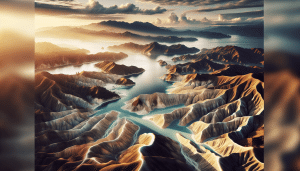
You Won’t Believe These Secret Offbeat Destinations
Daniel Hughes September 25, 2025
Uncover the allure of offbeat travel as this guide explores remote, underrated escapes, tips for finding secret vacation spots, and how unique adventures shape your journeys. Get inspired to discover breathtaking places away from crowded tourist routes and create your own memorable travel experiences.
Discovering Offbeat Destinations: Why They Capture Imaginations
Travelers often seek hidden gems—remote beaches, mountain villages, or tranquil islands—that regular vacationers overlook. Offbeat destinations appeal to those longing for authenticity, unique culture, and quieter sightseeing. These locations, from secret islands to secluded forest towns, provide a fresh alternative to crowded attractions. Exploring such places leads to richer culture immersion, unexpected adventures, and lifelong memories.
The rise of wanderlust and digital nomad trends has made the search for unusual destinations more popular. Social sharing lets travelers highlight charming finds, inspiring more journeys off the beaten path. Choosing hidden spots can also offer more sustainable tourism, easing pressure on busy locales. By veering away from tourist crowds, travelers can support small economies and preserve fragile cultural wonders.
Curiosity drives many to look beyond guidebooks. Seeking lesser-known locales means embracing the thrill of discovery. It means uncovering places with stories untold and experiences waiting. Whether trekking in little-known forests or staying in family-run guesthouses, these trips offer adventure and personal growth. Offbeat travel creates not just souvenirs, but powerful stories to share.
Finding Secret Vacation Spots: Researching Beyond Traditional Sources
Uncovering lesser-known destinations often starts with niche travel blogs, word-of-mouth recommendations, or exploring platforms like World Heritage or Lonely Planet’s hidden gems lists (https://www.lonelyplanet.com/articles/hidden-travel-gems). Social media communities are crucial for discovering suggestions outside of mainstream tourism. Reading tales from experienced travelers introduces fresh perspective, sometimes revealing incredible places right under the radar.
Consulting local tourism offices, regional adventure groups, and eco-lodge networks can open doors to unknown escapes. Maps, hiking forums, and specialty booking websites showcase nature reserves, remote villages, and lesser-trodden sites. For example, UNESCO World Heritage’s interactive map highlights enchanting spots across continents, helping users filter out crowded hotspots for tranquil alternatives.
Responsible travel often means asking questions—engaging with community hosts or local guides to learn about traditions, practical tips, and areas off the tourist path. Embracing this approach leads to more fulfilling journeys, deeper respect for culture, and unique interactions. Authentic recommendations help travelers experience a region through local eyes, unlocking real hidden treasures.
Planning Your Offbeat Adventure: Practical Tips for a Smooth Journey
Setting out for secret escapes requires thoughtful preparation. Travelers benefit by researching transportation, climate, and available amenities before stepping into remote zones. Packing essentials—weather-appropriate clothing, portable chargers, and first-aid kits—ensures confidence whether you’re navigating mountain paths or secluded beaches. Understanding local customs and etiquette is equally crucial when engaging with less-exposed communities.
It’s wise to book accommodations in advance for off-the-map places, as many lack large hotels but offer guesthouses or eco-friendly lodges. Flexible itineraries make room for changes, as small regions may have limited transit or unexpected closures. Having maps (digital and physical) and learning key phrases in the local language further smooth travel. These preparations build adaptability—essential for rewarding offbeat journeys.
Engage with others who have explored similar trails via travel forums or community boards. They often share safety suggestions, seasonal advice, or even contacts for local hosts. Respecting nature and culture—by leaving no trace and honoring traditions—preserves these destinations for future explorers. Responsible planning and in-depth research set the foundation for a memorable and positive travel experience.
Experiencing Unique Culture and Nature in Lesser-Known Locales
Hidden destinations often preserve untouched natural beauty—think crystal-clear lakes, untouched rainforests, or rolling hills unspoiled by mass tourism. Wildlife enthusiasts may marvel at rare species in protected reserves, while outdoor lovers hike trails that offer solitude and dramatic scenery. Exploration of secret islands and forests fosters a sense of discovery that mass-touristed sites rarely provide.
Cultural immersion deepens as travelers connect with artisans, taste local flavors, or witness rituals found nowhere else. Festivals in tiny villages or home-cooked meals provide memorable interactions. These moments, far from glossy brochures, deliver genuine understanding. Supporting community-based tourism helps sustain both the people and their heritage, offering travelers insight beyond typical sightseeing.
Many find that quiet landscapes and simple encounters leave the greatest impression. Storytelling with elders, observing rare crafts, or meditating in peaceful settings fosters reflection and personal growth. By slowing down, visitors capture the essence of a region, often returning home with new perspectives on life, tradition, and the natural world.
Understanding Sustainable Travel Choices When Exploring Remote Places
Conscious travel in secluded areas means prioritizing eco-friendly transportation, supporting local businesses, and adhering to conservation guidelines. Trains, buses, and bicycles not only reduce environmental impact but also allow closer interaction with landscapes and citizens. Embracing sustainability ensures that both current and future generations can enjoy these natural treasures (https://www.nationalgeographic.com/travel/article/sustainable-travel).
Carbon-neutral accommodations and locally sourced meals contribute to economic and ecological health. Participating in community clean-up projects or volunteering supports preservation efforts and builds stronger cross-cultural connections. Such responsible practices help keep wild spaces intact and amplify the benefits for host communities.
Respect for wildlife and nature is equally important. Sticking to designated paths, avoiding single-use plastics, and following Leave No Trace principles protect rare environments. Travelers become stewards—actively minimizing their footprint and spreading positive impact throughout regions eager to remain unspoiled. Responsible travel opens doors to authentic beauty while safeguarding its future.
Building Travel Memories: The Emotional Value of Secret Destinations
Exploring offbeat locations fosters deeper feelings of adventure, discovery, and wonder. The unpredictable nature of secluded travel—finding an unnamed waterfall or chatting with a village storyteller—creates memories that stick. Such journeys encourage personal reflection and expand the boundaries of comfort and understanding.
Many travelers cherish lasting bonds forged in quiet places. Sharing meals with hosts, joining in local celebrations, or embarking on spontaneous hikes builds camaraderie and connection. These experiences often lead to enduring friendships or a new appreciation for cultural differences.
The impact of these adventures lingers well after returning home. They transform travel from routine tourism to personal exploration, inspiring others to seek unique, fulfilling journeys. Each story told helps keep the magic of lesser-known destinations alive, forming a network of curious explorers dreaming of their next secret escape.
References
1. UNESCO World Heritage Centre. (n.d.). World Heritage List. Retrieved from https://whc.unesco.org/en/list/
2. National Geographic Travel. (n.d.). Sustainable travel. Retrieved from https://www.nationalgeographic.com/travel/article/sustainable-travel
3. Lonely Planet. (n.d.). Hidden Gems. Retrieved from https://www.lonelyplanet.com/articles/hidden-travel-gems
4. International Ecotourism Society. (n.d.). What is Ecotourism? Retrieved from https://www.ecotourism.org/what-is-ecotourism
5. U.S. Forest Service. (n.d.). Leave No Trace Principles. Retrieved from https://www.fs.usda.gov/detail/angeles/recreation/?cid=stelprdb5306046
6. Responsible Travel. (n.d.). Community based tourism holidays. Retrieved from https://www.responsibletravel.com/holidays/community-based

 The Secret Power of Quantum Computing Revealed