Smart Home Solutions That Save Energy
Noah Bennett September 24, 2025
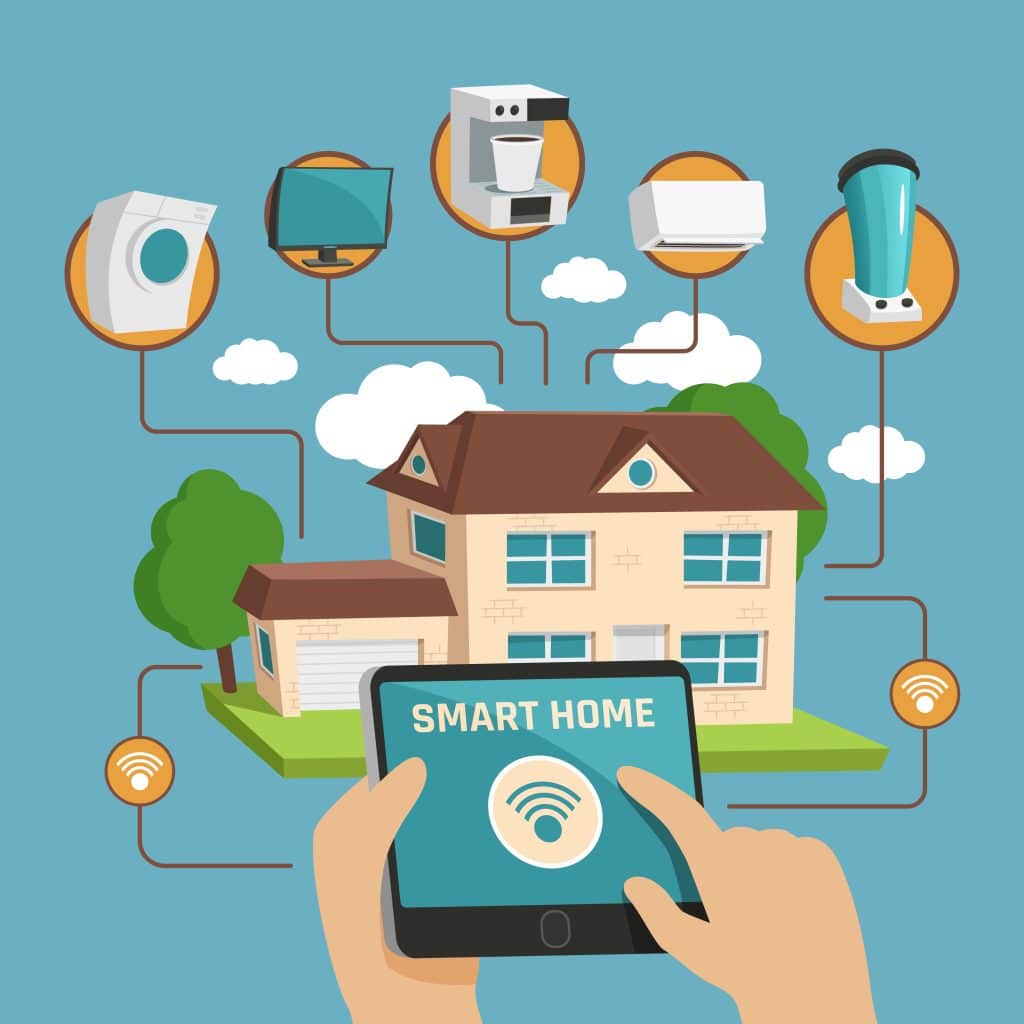
As the world faces rising energy costs and increasing concerns about sustainability, smart home solutions that save energy are becoming essential tools for modern households. These innovations are not just about convenience; they are transforming the way people consume energy, reduce bills, and contribute to global climate goals. In 2025, the market for energy-efficient technologies has grown rapidly, driven by advances in artificial intelligence, renewable energy integration, and government incentives. This article explores the most important trends, practical steps for homeowners, and what the future holds for energy-saving smart homes.
Why Energy-Saving Smart Home Solutions Matter
Residential buildings are responsible for a significant portion of global energy consumption. According to the International Energy Agency (IEA), households contribute nearly 30% of the world’s energy use, a figure that continues to climb as more devices and appliances become part of everyday life. This consumption has serious implications, from higher electricity bills for families to increased carbon emissions for the planet. Smart home solutions that save energy address both challenges by making consumption more efficient and reducing waste. Beyond financial savings, adopting these technologies helps households align with broader sustainability goals such as the European Union’s target of climate neutrality by 2050 and the U.S. government’s clean energy commitments.
Emerging Trends in Smart Home Energy Efficiency
AI-Driven Climate Control
Smart thermostats have been popular for years, but in 2025 they are far more advanced. Powered by artificial intelligence, devices like Google Nest, Ecobee, and Honeywell systems now analyze user behavior, local weather, and even real-time utility prices. These thermostats learn when a household is active, adjust temperatures automatically, and avoid unnecessary heating or cooling. Studies from the U.S. Department of Energy show that AI-driven climate control can reduce annual energy consumption by 10 to 15 percent. For households with high heating or cooling needs, the savings can be substantial over time.
Smart Appliances with Energy Optimization
Modern appliances are no longer passive machines. Refrigerators, washing machines, and dishwashers are equipped with energy optimization features that respond to both user preferences and grid conditions. For example, a smart washing machine can delay its cycle until nighttime when electricity rates are lower. Brands like LG and Samsung have integrated “eco modes” into their appliances, powered by AI algorithms that balance efficiency and performance. This ensures households maintain comfort and convenience while cutting back on unnecessary energy use.
Home Energy Management Systems (HEMS)
A major emerging trend in 2025 is the adoption of Home Energy Management Systems. These centralized platforms track energy use across all connected devices in real time, identifying inefficiencies and recommending improvements. Some advanced HEMS can communicate with utility companies, allowing households to participate in demand response programs that reward users for reducing energy consumption during peak hours. For families managing multiple smart devices, HEMS provide the transparency and control needed to optimize overall efficiency.
Solar Integration and Smart Storage
Solar panels paired with battery storage systems are becoming mainstream. With the falling cost of solar technology and government subsidies, households can now generate and store their own renewable energy. Devices such as the Tesla Powerwall or Sonnen batteries store excess solar power during the day for use at night. When combined with smart management platforms, these systems can cut grid dependence by up to 70 percent according to BloombergNEF. In regions with frequent power outages, smart solar storage also improves energy resilience by providing backup power.
Smart Lighting Systems
Lighting may seem like a small part of household energy use, but its impact is significant. Replacing traditional bulbs with LEDs already reduces consumption, but the latest connected lighting systems add new levels of efficiency. Smart bulbs adjust brightness automatically, follow natural circadian rhythms, and switch off when no motion is detected. According to Statista’s 2025 survey, 70 percent of smart home adopters identified lighting as their first step in energy savings. These solutions are affordable, easy to install, and highly effective.
Water Heating Efficiency
Water heating is often one of the largest household energy expenses. Traditional systems waste energy by keeping water hot even when not in use. Smart water heaters now use predictive algorithms to learn household patterns and heat only when needed. Some models integrate with renewable energy systems, heating water when solar production is high and minimizing reliance on grid electricity. Over time, this reduces both costs and emissions significantly.
Practical Guide: How to Start Saving Energy with Smart Home Solutions
For homeowners looking to begin their energy-saving journey, a step-by-step approach ensures maximum results without overwhelming investment.
- Start with a Smart Thermostat – This is one of the most cost-effective upgrades. A programmable, AI-powered thermostat quickly pays for itself through reduced heating and cooling bills.
- Upgrade to Smart Lighting – Switch to connected LED bulbs and install smart switches. These allow automatic control, scheduling, and remote access via apps.
- Use Smart Plugs to Track Devices – Many electronics draw power even when turned off. Smart plugs monitor consumption and cut “phantom loads” that can make up 5–10 percent of household electricity use.
- Adopt Solar and Storage Solutions – For those with higher budgets, pairing solar panels with batteries provides long-term energy independence. When managed with smart software, the system optimizes consumption and reduces reliance on external providers.
- Centralize Control with a HEMS – Once multiple devices are in use, integrating them into a single platform provides real-time monitoring and optimization. Many HEMS also provide insights into cost-saving behaviors.
Government Incentives Driving Adoption
Policies and incentives are accelerating adoption. In the United States, the Inflation Reduction Act provides tax credits for energy-efficient home upgrades including smart thermostats, heat pumps, and renewable systems. In Europe, the Fit for 55 program encourages households to switch to energy-efficient solutions through subsidies and grants. These initiatives reduce upfront costs and make adoption accessible to more households. As a result, energy-saving technologies are spreading rapidly across both developed and emerging markets.
Challenges and Considerations
Despite the advantages, there are challenges homeowners should consider. The upfront cost of smart home devices can be a barrier, although falling prices and government support are easing this issue. Privacy remains another concern, as smart devices collect data on household habits. To address this, companies are implementing stricter data security policies and adopting industry-wide standards like Matter, a universal smart home protocol launched to improve compatibility and safety. Consumers must also ensure compatibility when building their smart home ecosystem, as not all devices work seamlessly with one another.
Looking Ahead: The Future of Smart Energy Homes
The next decade will see even more advanced solutions. Artificial intelligence will become increasingly predictive, adjusting household systems based on weather events, energy prices, and even health data. Blockchain technology may allow households to sell excess solar power directly to neighbors through decentralized energy markets. Smart appliances will communicate with one another, negotiating optimal times to operate. By 2030, most new homes in developed regions are expected to come pre-installed with integrated smart energy systems. This shift will transform energy consumption from a passive activity into an intelligent, optimized process.
Conclusion
Smart home solutions that save energy are no longer luxuries but essential components of sustainable living. From AI-driven thermostats and connected lighting to solar-powered batteries and centralized energy management, these technologies empower households to cut costs and reduce their environmental impact. While challenges such as cost, privacy, and compatibility remain, falling prices and strong government incentives are making these solutions more accessible. Looking forward, the continued evolution of smart technologies will enable homes to play an active role in shaping a cleaner, more resilient energy future. For homeowners, investing in smart energy solutions today is not only a way to save money but also a step toward building a sustainable tomorrow.
References
- U.S. Smart Home Market (2025 – 2030), https://www.grandviewresearch.com
- Global Smart Home Devices Market Size and Forecast Industry Analysis, https://market.us
- mart Home Market Size and Share Forecast Outlook 2025 to 2035, https://www.futuremarketinsights.com

 Gardening Practices That Improve Soil Quality