How Startups Are Adapting to Global Market Changes
Marcus Taylor September 23, 2025
In today’s rapidly changing world, startups are under constant pressure to adapt. Economic fluctuations, new technologies, and shifting consumer preferences all create challenges that businesses must navigate. The COVID-19 pandemic accelerated many of these changes, but startups now face new global shifts, such as changes in global trade, supply chain disruptions, and evolving customer demands. These challenges, however, also present opportunities for innovation and growth.
Startups are learning to be agile and resilient in this new environment. They must evolve quickly to stay competitive, and they’re leveraging innovative strategies to thrive in an ever-changing market. This article explores how startups are adapting to global market changes, highlighting emerging trends and strategies that are shaping the future of business.
1. Remote and Hybrid Work Models: Adapting to the New Normal
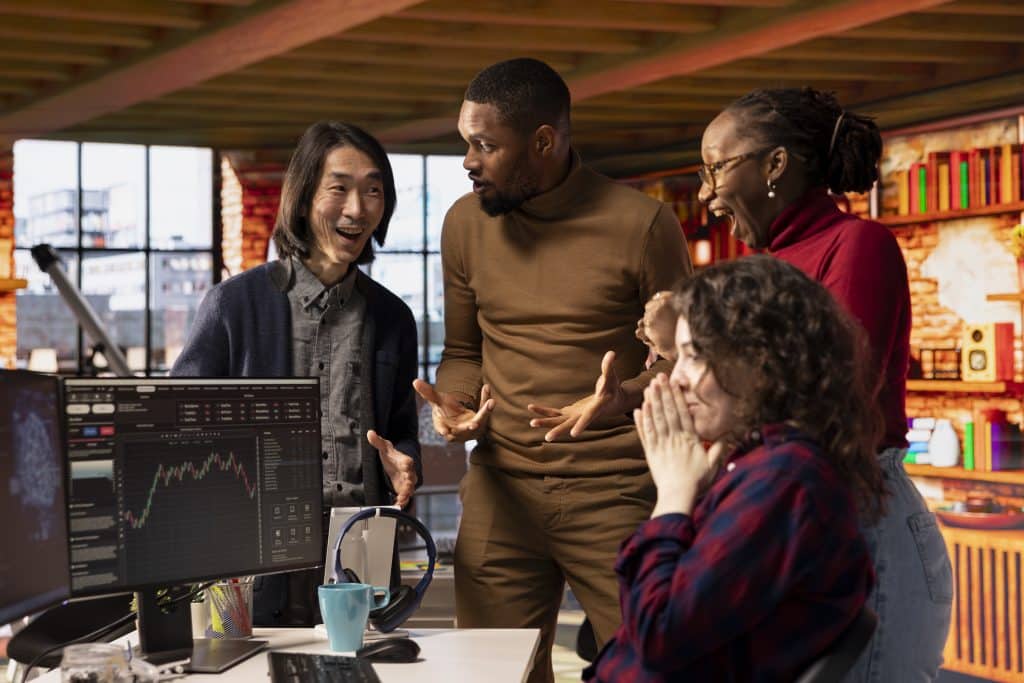
One of the biggest shifts in recent years has been the widespread adoption of remote and hybrid work models. The pandemic pushed many businesses to adopt these models, and now they’re here to stay. For startups, remote work isn’t just a temporary measure but an opportunity to tap into global talent, reduce overhead costs, and foster a flexible work environment.
How startups are embracing remote and hybrid work:
- Remote-first cultures: Many startups have adopted remote-first models. They’ve built their operations around the idea that teams can work from anywhere. This model opens up access to talent from around the world and promotes a more inclusive work environment.
- Hybrid models: For startups that prefer some in-person collaboration, hybrid models allow employees to alternate between working remotely and coming into the office. This offers flexibility and a balance between autonomy and teamwork.
- Digital tools: Startups rely on digital tools like Slack, Zoom, and Asana to keep teams connected and projects on track. These tools make collaboration easy, no matter where employees are located.
According to PwC’s Global Workforce Hopes and Fears Survey, 78% of business leaders believe remote work is here to stay, and nearly half of employees expect to work from home at least three days a week. This shift shows that remote work is not just a passing trend but a lasting change in how businesses operate.
2. Leveraging Technology for Growth and Efficiency
In an ever-changing global market, startups can’t afford to fall behind in adopting new technologies. Technology has always been a driving force in innovation, and startups are using it to gain a competitive edge. From artificial intelligence (AI) to blockchain, startups are leveraging these tools to enhance efficiency, improve customer experience, and open new business opportunities.
Emerging technologies in startups:
- Artificial intelligence (AI): AI is helping startups automate processes, personalize customer experiences, and improve decision-making. In industries like finance, e-commerce, and healthcare, AI tools are transforming operations and delivering better outcomes for customers.
- Blockchain technology: Startups in sectors like finance and logistics are using blockchain for secure transactions, transparency, and efficiency. This decentralized system enhances security and can reduce costs by eliminating intermediaries.
- Cloud computing: The cloud enables startups to scale quickly without the need for heavy upfront investments in infrastructure. Cloud services allow for flexible and secure data storage, along with easy access to essential business tools.
For example, AI-driven fintech startups like Plaid are reshaping how consumers access financial services. They use AI to streamline transactions and provide customers with personalized financial solutions, demonstrating the power of technology in creating efficient, customer-focused businesses.
3. Navigating Global Supply Chain Disruptions
The global supply chain has been under significant pressure in recent years. From raw material shortages to shipping delays, these disruptions have affected businesses worldwide. Startups, especially those dependent on global trade and supply chains, have had to adapt quickly to keep their operations running smoothly.
How startups are addressing supply chain challenges:
- Diversifying suppliers: Startups are expanding their supplier networks to reduce dependence on any single source. This strategy allows for better risk management and ensures smoother operations when one supply chain link is disrupted.
- Nearshoring and reshoring: To minimize disruptions, some startups are shifting production closer to home. This nearshoring or reshoring strategy reduces reliance on overseas manufacturing and shipping, improving speed and efficiency.
- Improved inventory management: Startups are adopting more agile, data-driven inventory management systems. These systems help businesses track their stock levels in real time, enabling them to respond quickly to changes in demand and avoid shortages.
For example, Allbirds, an eco-friendly shoe startup, has focused on localizing parts of its supply chain to reduce reliance on overseas manufacturing, which has helped the company maintain consistency and control costs during global disruptions.
4. Shifting Consumer Behavior: Aligning with New Expectations
Consumer preferences have changed dramatically over the last few years. Sustainability, social responsibility, and personalization are now driving factors behind purchasing decisions. Consumers are more aware of the environmental and social impact of the brands they support. Startups must align their values with these shifting expectations to remain relevant and grow their customer base.
How startups are responding to changes in consumer behavior:
- Sustainability initiatives: Many startups are making sustainability a core part of their business model. Whether through using eco-friendly materials, reducing waste, or promoting sustainable sourcing, startups are showing customers they care about the planet.
- Social responsibility: Consumers are increasingly choosing brands that prioritize social issues, such as diversity, equity, and inclusion. Startups are incorporating social responsibility into their business practices, from hiring diverse teams to supporting community initiatives.
- Personalized experiences: Today’s consumers expect personalized experiences. Startups are using data analytics and AI to offer tailored recommendations, services, and products that cater to individual preferences.
Warby Parker, the eyewear startup, is a great example of aligning with customer values. The company not only offers affordable and stylish glasses but also integrates social responsibility through its “Buy a Pair, Give a Pair” program, which donates glasses to people in need.
5. Agile Marketing Strategies: Staying Relevant in a Fast-Paced World
Marketing has also had to adapt to global market changes. Traditional marketing strategies no longer work as effectively in today’s digital-first world. Startups are learning to be agile in their marketing efforts, focusing on flexibility and rapid response to consumer behavior and market trends.
Marketing strategies for modern startups:
- Influencer marketing: Partnering with influencers to reach target audiences has become a crucial strategy for startups. Influencers help create authentic connections with consumers, driving brand awareness and engagement.
- Content marketing: High-quality content remains essential for building trust with consumers. Startups are leveraging blogs, social media, videos, and podcasts to provide valuable information that resonates with their audience.
- Data-driven campaigns: Startups are using data and analytics to personalize marketing efforts. By understanding consumer behavior and preferences, businesses can create more targeted, effective campaigns.
Glossier, the beauty startup, has built a loyal following using influencer-driven content marketing, which has helped them stand out in a crowded industry. Their social media campaigns, driven by authentic customer experiences, showcase the power of agile, data-driven marketing strategies.
Conclusion: Thriving in a Changing Global Market
Startups are proving that adaptability is key to surviving—and thriving—in a rapidly changing global market. By embracing new technologies, diversifying supply chains, responding to shifting consumer preferences, and staying agile in their marketing efforts, startups are paving the way for success in a dynamic world. In a time of uncertainty, these businesses are leading the charge in innovation, showing that agility, resilience, and creativity are the keys to navigating global market changes.
By staying on top of emerging trends and adjusting their strategies accordingly, startups are not just surviving—they’re setting the stage for long-term growth and success.
References
- Agile manufacturing, https://en.wikipedia.org
- Startup industry trends for 2025: https://stripe.com
- Navigating the Startup Revolution: https://www.techstars.com

 Smart Home Innovations That Improve Security