Rental Property Upgrades That Can Boost What You Earn
Daniel Hughes November 20, 2025
Curious about how smart upgrades can impact your rental property returns? This guide unpacks ways you might boost your income, appeal to more tenants, and make your property stand out in today’s competitive housing market.
Exploring Rental Property Value Growth Through Upgrades
Owners often look for effective strategies to increase rental income without steep risks. Property upgrades, when chosen with care, can make a noticeable difference in monthly returns. Improved amenities or improved energy efficiency enhance initial value and draw in tenants who want modern features. Upgrading kitchens and bathrooms, for instance, gives a property instant appeal. Even minor updates, such as energy-efficient lighting, can have a significant effect without a huge investment. These details matter more than ever in a market where renters are comparison shopping online and in person.
Knowing which upgrades yield the most return can be complicated. Trends in rental property upgrades often reflect shifting tenant expectations, such as demands for smart devices or updated appliances. Experts suggest focusing on upgrades with wide appeal, like durable flooring, extra storage, or contemporary finishes. Cost-effective choices add value over time and avoid overcapitalizing on improvements. Landlords who research what similar properties offer increase their chances of making the right choices. Being too specific or taste-driven often doesn’t deliver the best results for broader appeal and rental value growth.
Besides the obvious curb appeal benefits, some upgrades can save property owners money in the long run. Properties with modern windows, for example, might qualify for certain energy rebates or insurance discounts. Others might benefit from lower turnover rates, as tenants are more likely to remain in a comfortable and updated space. These upgrades can foster a positive relationship between owners and renters, encouraging word-of-mouth referrals and shorter vacancy periods (Source: https://www.huduser.gov/portal/periodicals/cityscpe/vol21num3/ch7.pdf).
Which Property Upgrades Make The Most Impact
Some improvements stand above others when it comes to return on investment and demand. Kitchens are at the top of most tenant wish lists, so modernizing cabinetry, countertops, and fixtures often leads to immediate increases in rental value. Up-to-date appliances are appreciated by renters and typically regarded as a sign of landlord commitment to property care. Simple additions, such as a dishwasher or built-in microwave, might make a property more competitive.
Bathrooms are another area where minor changes can bring big results. Low-flow toilets, modern vanities, and fresh lighting are upgrades tenants eagerly notice. Even affordable improvements, like new mirrors or hardware, increase perceived value, assisting with tenant satisfaction and even lease renewals. Introducing features like in-unit laundry (if not already present) quickly sets a unit apart from others on the market.
Outdoor spaces are frequently overlooked, yet they’ve become highly valued. Adding or improving patios, balconies, or community garden plots can make a property especially appealing, especially in urban markets. Small investments such as updated lighting or secure storage for bikes add value for both owners and tenants. Amenities that support safety—video-locked entries, smart locks, or security systems—also attract quality tenants seeking peace of mind (Source: https://www.nar.realtor/sites/default/files/documents/2022-remodeling-impact-1116-2022.pdf).
Energy Efficiency Upgrades For Rental Properties
With growing awareness of climate concerns and utility expenses, renters and owners alike ask about energy-efficient improvements. Simple changes, such as installing LED light bulbs or Energy Star–rated appliances, can lower monthly utility bills. For property owners, these upgrades deliver positive environmental impact and can even help command a higher rent. Energy efficiency is often mentioned alongside comfort and long-term saving goals.
Windows and insulation upgrades are also catching more attention lately. Well-sealed windows help keep homes comfortable year-round, reduce noise, and cut down on drafts that haunt older properties. Enhanced insulation can translate to significant cost reductions over time. These upgrades also help landlords comply with any local or national building standards regarding energy use (Source: https://www.energy.gov/eere/buildings/articles/four-energy-efficiency-upgrades-apartments-and-condos).
Adding smart thermostats and water-saving devices is another step toward modernization. Many devices can be controlled remotely, giving tenants flexibility and better control of their environment. These products can also be a selling point for sustainability-minded people. In some cases, governmental incentive programs or rebates may further reduce upgrade costs or provide tax relief for certain improvements.
Smart Home Features Increasing Tenant Appeal
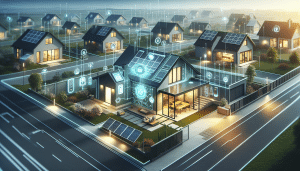
Modern renters appreciate convenience and connectivity in their living spaces. Adding smart home technology, such as app-controlled locks or lighting, meets increasing expectations for seamless daily living. Automated security features and voice-activated devices have moved from “nice-to-have” to “must-have” for many tenants, especially in newer developments. Owners who embrace this shift position their rentals as future-ready and innovative.
Streaming, home networking, and charging solutions are also part of the modern upgrade package. Pre-installed USB charging ports or whole-home Wi-Fi solutions are subtle yet attractive upgrades that tenants notice when touring properties. Even in smaller multifamily units, these types of upgrades help keep properties competitive and responsive to digital age expectations.
Security is frequently top-of-mind among tenants. Smart doorbells and surveillance systems offer visual proof of safety. Landlords also benefit from remote oversight in common areas or exterior lots. These technologies give everyone security and help avoid disputes, reducing stress for both parties over the lease term (Source: https://www.pewresearch.org/fact-tank/2022/09/21/americans-views-of-smart-home-technology).
Aesthetic Improvements That Renters Love
While functional upgrades are important, never underestimate the power of aesthetics. Fresh paint, on-trend colors, and modern fixtures make a property feel refreshed and inviting. Thoughtful design changes often improve a renter’s first impression—and that matters when applications are competitive. Replacing worn flooring and upgrading entryways also gives a space a welcoming character that stands out in photos and in person.
Storage is a persistent priority for residents. Owners who add closet organizers, install extra shelving, or update cabinetry make living easier for tenants. These small changes cater to everyday convenience, which in turn reduces complaints and increases tenant satisfaction. Many renters remain longer in spaces that simply work well for them. The value is in the details.
Lighting truly transforms apartments and rental houses alike. Modern light fixtures or energy-efficient recessed lighting create the feeling of a higher-end home. Window treatments that offer blackout options, privacy, and style also enhance a unit’s desirability. These enhancements are both affordable and impactful, making them a wise choice for owners looking to maximize returns (Source: https://www.habitat.org/stories/simple-home-upgrades-ideas).
Financial Considerations For Smart Upgrades
Budgeting for rental property upgrades involves more than upfront costs. Smart owners estimate the likely return on investment (ROI) of each improvement, considering both immediate and long-term gains. Many also review local rents for comparable properties to set realistic expectations about how much of an increase is warranted. Sometimes, even modest changes can justify a small rent bump that covers upgrade expenses over time.
There are often tax incentives, grants, or programs available for certain types of renovations—which can partly offset expenditure. It’s worth exploring federal, state, or local resources that support energy efficiency, accessibility, or safety improvements in rental properties. Owners might also benefit from consulting with professional property managers or accountants to optimize upgrade decisions and tax deductions (Source: https://www.irs.gov/businesses/small-businesses-self-employed/landlords).
Prioritizing upgrades based on tenant needs, building age, and local trends helps control spending and maximize impact. An annual review of the property and tenant feedback informs future improvements. Continuous, well-planned upgrades help keep vacancy rates low, rents stable, and properties positioned to attract high-quality tenants in nearly any market condition.
References
1. U.S. Department of Housing and Urban Development. (2021). Periodicals: Cityscape – Rental housing upgrades and tenant satisfaction. Retrieved from https://www.huduser.gov/portal/periodicals/cityscpe/vol21num3/ch7.pdf
2. National Association of Realtors. (2022). Remodeling Impact Report. Retrieved from https://www.nar.realtor/sites/default/files/documents/2022-remodeling-impact-1116-2022.pdf
3. U.S. Department of Energy. (2022). Four Energy Efficiency Upgrades for Apartments and Condos. Retrieved from https://www.energy.gov/eere/buildings/articles/four-energy-efficiency-upgrades-apartments-and-condos
4. Pew Research Center. (2022). Americans’ Views of Smart Home Technology. Retrieved from https://www.pewresearch.org/fact-tank/2022/09/21/americans-views-of-smart-home-technology
5. Habitat for Humanity. (2022). Simple Home Upgrades Ideas. Retrieved from https://www.habitat.org/stories/simple-home-upgrades-ideas
6. Internal Revenue Service. (2022). Landlords. Retrieved from https://www.irs.gov/businesses/small-businesses-self-employed/landlords

 Surprising Ways Artificial Intelligence Impacts Your Everyday Life