What Makes You Choose a Smart Home Now
Daniel Hughes October 28, 2025
Curious about living in a home that adapts to your lifestyle? Dive into the world of smart homes and discover how new technology is reshaping daily comfort, savings, and the way people think about real estate. Find insights on security, energy use, value, and more—all in one practical guide.
Smart Homes Unpacked: Everyday Convenience Meets Innovation
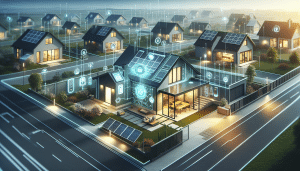
Stepping into a smart home isn’t a distant fantasy anymore—it’s a genuine reality for many homeowners considering the future of real estate. The term ‘smart home’ refers to a residence equipped with technology that allows its occupants to control appliances, lighting, climate, and security remotely. Imagine adjusting your thermostat or checking who’s at the door, all from your phone. These features are more than just innovations; they’re changing how people interact with their living spaces. The rise of connected devices and home automation solutions is making the transition smoother and more attractive for both new buyers and those upgrading existing homes.
Convenience is a core driver of the smart home movement. From scheduling your coffee machine to turn on at sunrise to remotely locking or unlocking your doors, automation is simplifying daily routines. Families, professionals, and even retirees find comfort in knowing that their home can adjust itself—whether it’s setting ambient lighting for relaxation or responding to sudden weather changes. Many popular systems now integrate with virtual assistants, such as Alexa or Google Home, streamlining tasks and eliminating repetitive chores. All it takes is a voice command or a tap on your device.
This ease of use is no longer a luxury reserved for tech-savvy elites. Lower costs and wider compatibility have pushed smart devices into mainstream home design and renovations. Builders are embedding smart systems into new housing developments, making them a sought-after selling point. Real estate agents report increasing demand for homes with pre-installed automation, reflecting a shift in buyer priorities. In short, technology has begun to redefine what makes a space truly feel like home, bridging the gap between comfort and innovation in the housing sector.
Energy Efficiency in the Spotlight
Smart homes are especially attractive to those looking to reduce energy bills and environmental impact. Automated thermostats intelligently adapt to user habits, optimizing heating and cooling schedules with pinpoint accuracy. These systems detect when the home is empty, automatically adjusting settings to save power. That means less energy waste and more money kept in your pocket. Over time, these small adjustments can make a meaningful dent in utility costs, encouraging sustainable living.
Lighting systems also contribute to energy savings. Smart bulbs and switches allow fine-tuned control over when lights turn on or off, sometimes even dimming automatically based on available daylight. Integration with occupancy sensors ensures that rooms aren’t left illuminated when empty, minimizing unnecessary consumption. Combined with real-time energy monitoring, users can easily track and adjust their behaviors. As energy efficiency becomes a global priority, these solutions stand out as both eco-friendly and budget-friendly, reinforcing the appeal of smart-enabled living spaces.
The green credentials of a smart home frequently attract buyers seeking to align their lifestyle with broader environmental values. It’s not just about the financial savings; it’s about contributing to sustainability while enjoying modern comforts. Some local governments and energy providers even offer incentives or rebates for adopting energy-saving technologies, making the decision even more compelling. These advantages are helping to shift the real estate conversation towards smarter, more responsible use of resources at home.
Advanced Security Solutions with Smart Technology
Modern smart homes are transforming the concept of residential security. Sophisticated surveillance cameras, video doorbells, and motion sensors are now integrated into many households, providing a continuous layer of protection. These security devices offer mobile alerts, two-way audio, and live video feeds, allowing users to monitor and even communicate with visitors remotely. This gives homeowners a new level of assurance whether they’re at home or away.
Smart locks have changed how people approach physical security. With keyless entry, temporary guest codes, and mobile management, homeowners can authorize access with precision. Doors automatically lock when leaving and can alert you to any unexpected activity. Linked with alarm systems, these features can rapidly notify local emergency services in case of breaches or unusual movements. It’s an interconnected ecosystem that works tirelessly to provide peace of mind.
Beyond practical protection, these systems help prevent and deter crime proactively. Highly visible cameras, illuminated pathways, and clearly communicated monitoring discourage unwanted attention. For people looking to invest in property, enhanced security systems often increase perceived value and desirability. It’s another reason why the smart home trend is not only about convenience—it’s actively raising the standards of residential safety in real estate.
Smart Home Value: Investing for the Future
Real estate experts are seeing that homes equipped with technology-advanced features often stand out in competitive markets. Smart home systems add measurable value to a property, attracting more buyers and potentially commanding higher prices. Features like automated lighting, energy management, and integrated security appeal to younger generations and seasoned buyers alike. These enhancements signal a modern, forward-thinking living environment.
The investment in smart home upgrades can pay off through increased marketability and faster sale times. A well-documented, smoothly operating system can also reassure potential buyers that a home is both up-to-date and low-maintenance. In addition, new home buyers tend to appreciate bundled packages—smart thermostats, automated blinds, or voice-controlled entertainment—especially when included as part of a seamless home experience. These factors set a smart property apart in both new builds and existing home remodels.
It’s worth considering longevity too. As technology evolves, many systems remain adaptable, allowing for additional modules or upgrades. Industry standards like voice assistant compatibility and device interconnectivity mean that a smart home can evolve with its owner’s needs. Forward compatibility offers ongoing value and convenience, protecting the original investment and enhancing the home’s resale prospects down the line.
Daily Life Goes Seamless with Integration
The heart of a smart home is the way its devices interact. Integration means more than just multiple gadgets—it’s about creating routines and automations that match real life. For instance, leaving the house can be as simple as activating “away mode,” which turns off lights, locks doors, and adjusts climate settings—all at once. Mornings can begin with preset lighting, music, and temperature, thanks to interconnected devices that follow your routine.
Each room in a smart home can be tailored for mood and activity. Think: cinematic lighting in a living room for movie night, or soothing music and dimmed lights in a bedroom for relaxation. The convenience of controlling everything from a centralized app, or even using voice commands, supports busy families and professionals navigating hectic schedules. Integration isn’t just about technology; it shapes experiences and simplifies life in ways previously unimaginable.
Accessibility features further widen the appeal. Elderly residents or individuals with limited mobility benefit from automations for lighting, emergency alerts, and appliance control. A connected home can accommodate diverse needs, enhancing independence while supporting health and safety. With integration at the center, the potential for a smart home expands—and with it, the ability to live more comfortably and securely.
Smart Home Roadmap: What to Know Before Making the Switch
Stepping into smart home ownership doesn’t have to be overwhelming. Begin with clear goals: increased security, energy savings, or just greater comfort. Options range from DIY plug-and-play devices to professionally installed, fully automated systems. Understanding your needs and budget helps guide initial purchases and prevents over-investment.
Compatibility is vital for future expansion. Choose devices that use open standards, ensuring seamless integration and simpler upgrades. Many users start with a central hub, like a smart speaker or home controller, before adding ancillary devices. It’s also important to consider privacy: look for devices with robust data protections and transparent usage policies. A secure network and regular device updates minimize risk and protect personal information.
Smart homes aren’t just a trend—they represent a meaningful shift in how real estate, technology, and daily routines intersect. Research is ongoing, with updates and new standards improving options and security. As the industry advances, the smart home will continue to evolve, offering valuable benefits to homeowners looking to adapt to modern living.
References
1. U.S. Department of Energy. (n.d.). Home automation for energy efficiency. Retrieved from https://www.energy.gov/energysaver/smart-home-energy-savings
2. Consumer Technology Association. (n.d.). The appeal of smart home tech. Retrieved from https://www.cta.tech/Resources/Articles/2021/10/Smart-Homes-and-Energy-Efficiency
3. National Association of Realtors. (n.d.). Smart home technology report. Retrieved from https://www.nar.realtor/research-and-statistics/research-reports/smart-home-technology
4. Federal Trade Commission. (n.d.). Home security and smart devices. Retrieved from https://www.consumer.ftc.gov/articles/connected-homes-and-smart-devices
5. U.S. Department of Housing and Urban Development. (n.d.). Housing trends and technology. Retrieved from https://www.huduser.gov/portal/periodicals/em/summer14/highlight3.html
6. AARP. (n.d.). Smart home tech for older adults. Retrieved from https://www.aarp.org/home-family/personal-technology/info-2020/smart-home-tech-older-adults.html

 Unlocking Growth Strategies That Could Transform Your Business